Elevation Tiles in Bengaluru: Front Wall Cladding for Homes
Elevation tiles clad the outside walls of your home in stone, brick or wood looks. Learn which tiles suit exteriors, sizes and how to fix them safely.
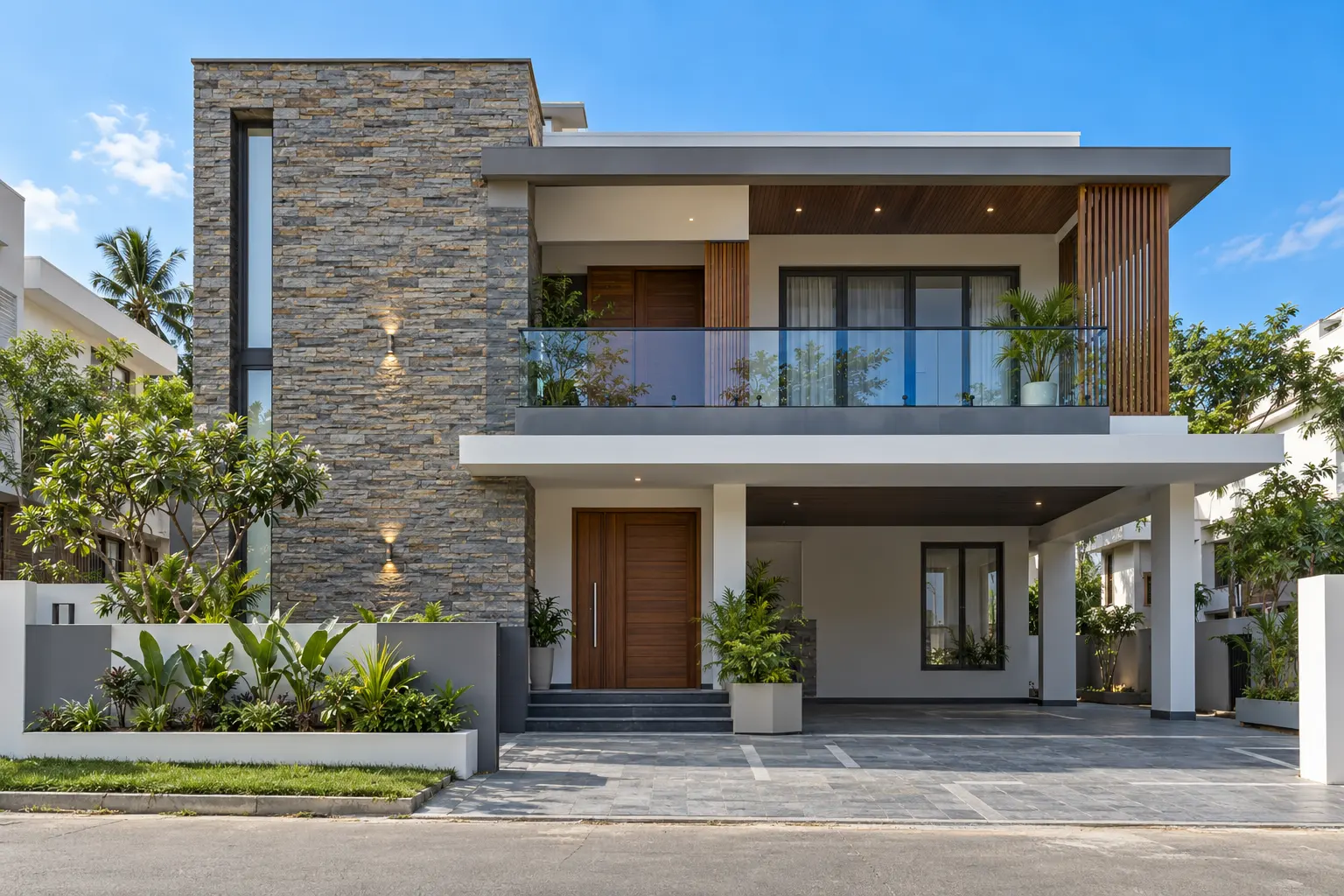
The front elevation is the first thing people see of your house. Elevation tiles let you clad part or all of the exterior wall in a stone, brick, wood or textured look that stays good for years, without repainting every few monsoons. They are popular on independent houses across Bengaluru, from small two-storey homes to larger villas.
What elevation tiles are
Elevation tiles are wall cladding tiles made for outdoor use. They are usually vitrified, porcelain or dense ceramic with low water absorption, often with a textured, carved or 3D surface. Common designs include:
- Natural stone and slate looks
- Exposed brick and thin brick strips
- Stacked stone and ledge stone
- Wood planks for soffits and accent sections
- Plain textured or fluted panels in grey, beige and charcoal
Where they work, and where they don't
Good fit:
- The front wall or a feature section of the facade
- Gate pillars and compound walls
- Balcony parapets and staircase towers
- Column cladding at entrances
- Shop fronts and commercial facades
Be careful with:
- Using indoor ceramic wall tiles outside. They absorb more water and can craze, stain or loosen
- High gloss tiles on exteriors, which show dust and water streaks
- Large, heavy tiles at height without proper fixing. Above a certain height and weight, a facade specialist may recommend mechanical clamps or anchors along with adhesive
- Walls with seepage or cracks. Fix the wall and plaster first
Sizes and finishes commonly available
Elevation tiles come in many formats. Strip tiles such as around 100x300 mm or 60x240 mm give a brick or stone strip look. Panels in 300x450 mm, 300x600 mm and 600x1200 mm are common for stone and plain textures. Finishes include rustic, carving, matt, 3D raised and fluted.
How to choose and fix them
- Check water absorption. Lower is better outdoors. Vitrified or porcelain elevation tiles usually perform best.
- Use exterior grade adhesive. A polymer modified tile adhesive rated for exterior use (often classed C2) bonds far better than plain cement mortar. Read our tile adhesive vs cement mortar guide.
- Ensure full coverage. Back-buttering each tile avoids hollow spots where water can collect.
- Leave proper joints. Outdoor tiles expand in the sun. Joints and movement gaps prevent cracking and popping.
- Choose a dust-friendly colour. Greys, sandstone, brick red and mixed stone tones hide dust and rain streaks.
- Mix materials. A tiled section with painted plaster around it often looks more balanced than tiling the whole front.
See front elevation ideas for layout thoughts.
Bring a photo of your house front
A photo of your building and rough wall measurements help a lot. Call the shop or visit us, and we will show you elevation tiles from current stock that suit your facade.
Common questions
Can normal wall tiles be used for exterior elevation?
It is better not to. Ceramic bathroom wall tiles absorb more water and can stain or loosen outdoors. Choose tiles made for exterior use, with low water absorption and good adhesive.
Do elevation tiles fall off?
They can if fixed poorly. Using an exterior grade polymer modified adhesive, full coverage behind each tile and proper wall preparation greatly reduces the risk. Heavy or large tiles at height may need mechanical fixing.
How do I clean elevation tiles?
Wash them with water and a soft brush every few months. Matt and textured tiles hide Bengaluru road dust better than glossy ones.
Are elevation tiles better than paint?
Tiles cost more upfront but do not need repainting every few years and resist rain stains and algae better. Many homes combine tiles on a feature section with paint elsewhere.
Keep reading
Front elevation
Front elevation tile guide for Bengaluru houses: stone, brick and strip looks, fixing on exterior walls, colours that handle dust and rain, and tips.
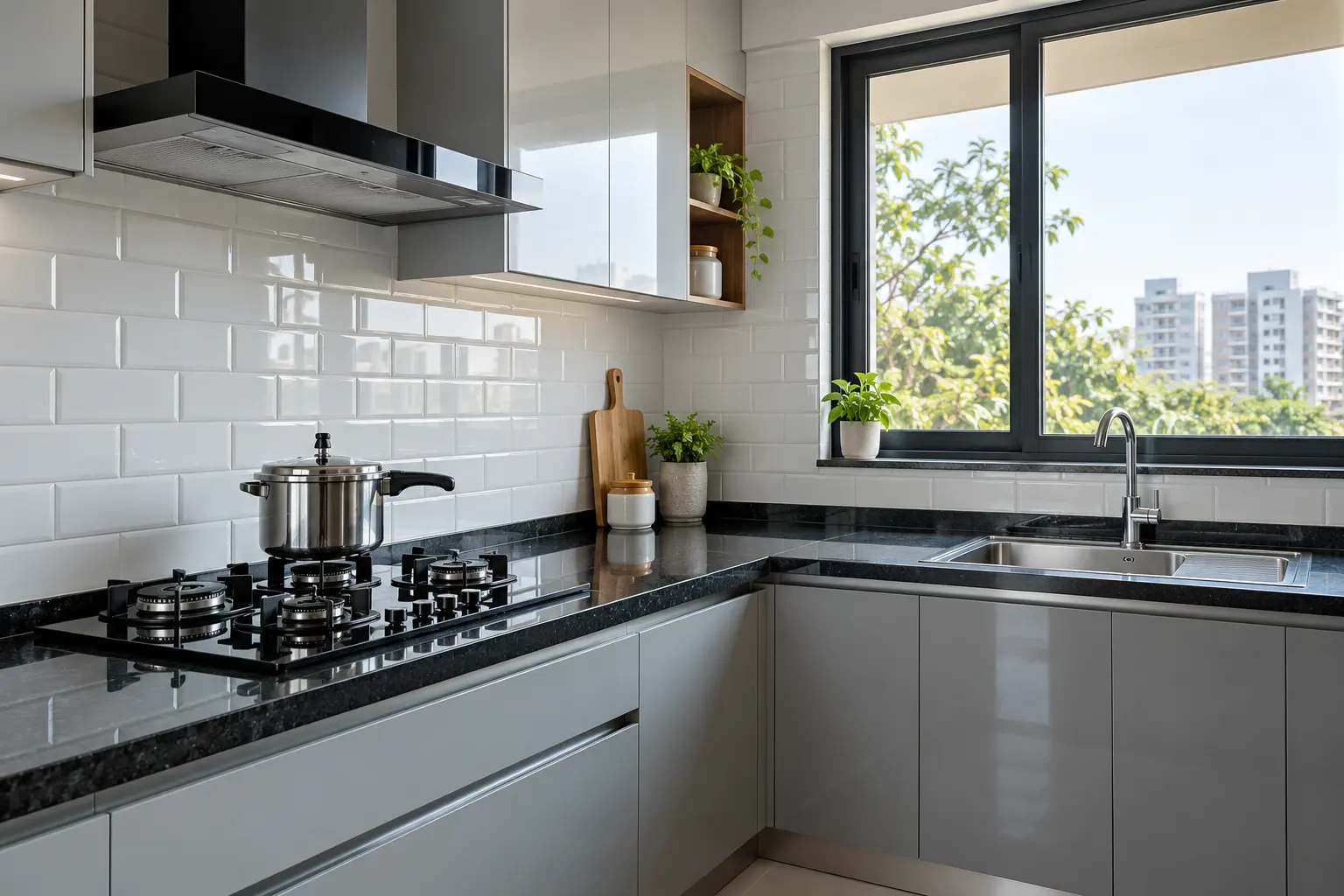
Wall tiles
Wall tiles for bathrooms, kitchens and feature walls: ceramic vs vitrified, common sizes like 300x450 and 300x600 mm, and tips for choosing a set.
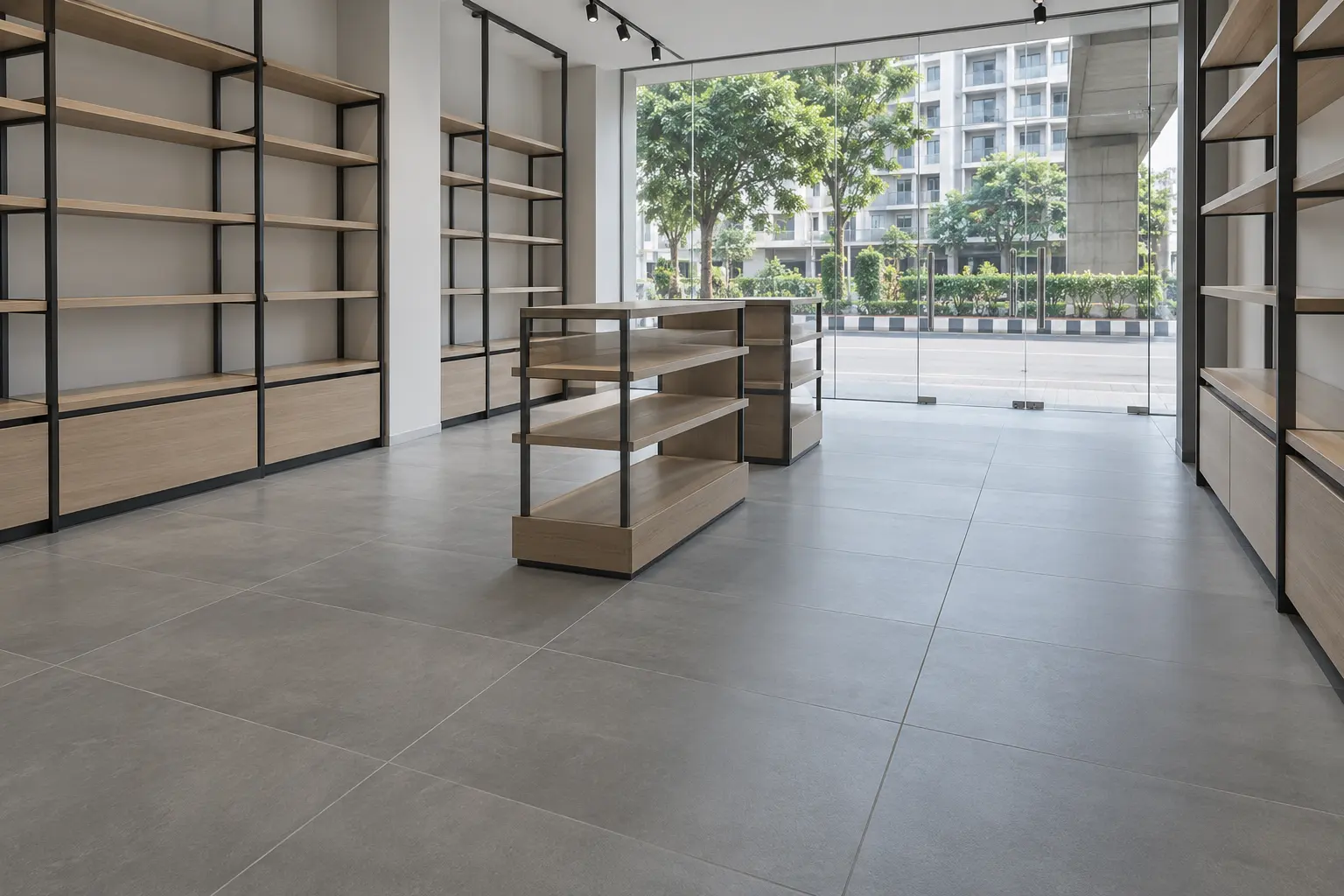
Full body tiles
Full body vitrified tiles carry colour through the whole tile, so chips and wear barely show. See where they suit, common sizes and how to choose.
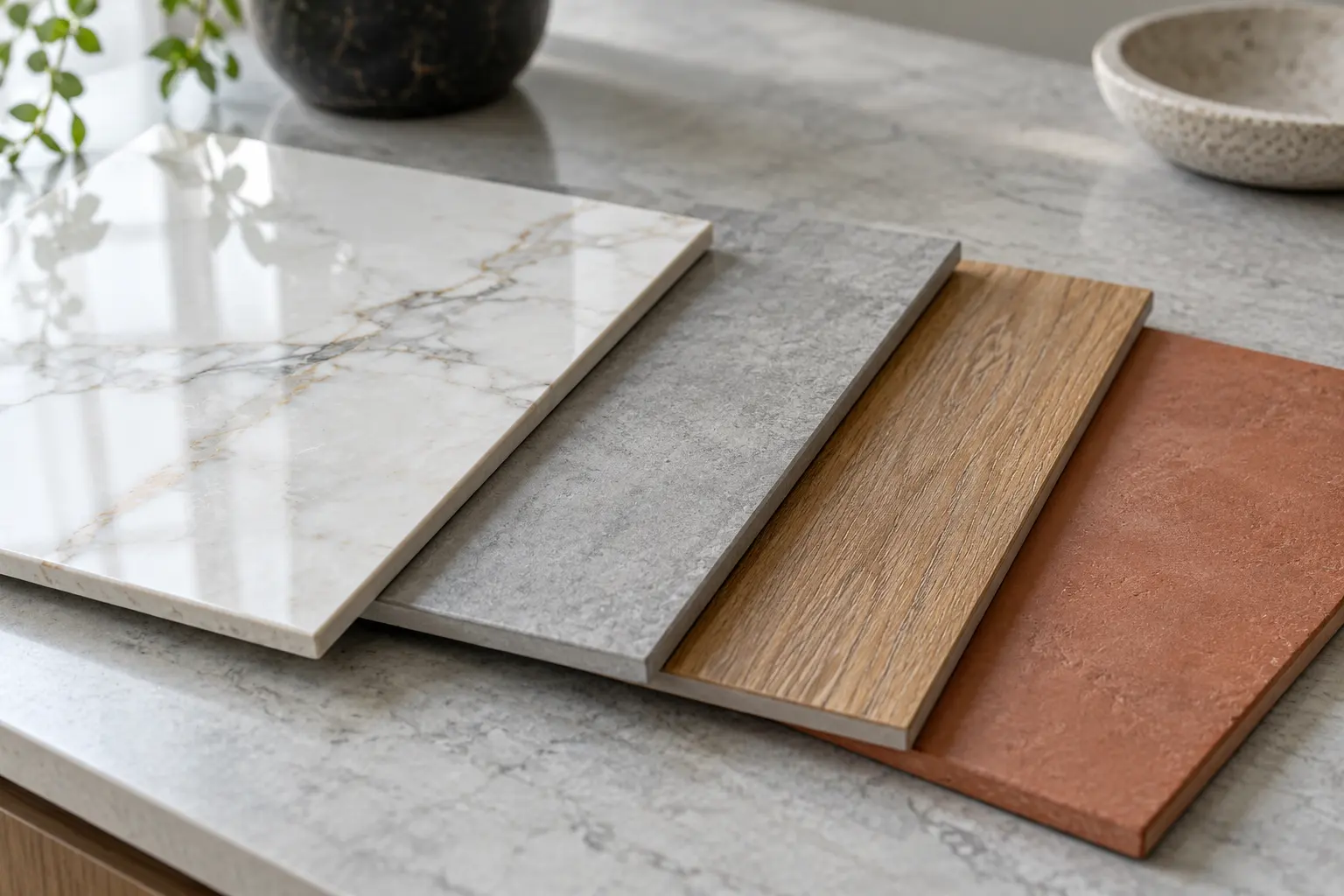
See the tiles in person before you decide
Photos never show a tile's true shade or texture. Get in touch to check what is in stock, then walk in and compare.