Designer and Highlighter Tiles in Bengaluru: Feature Wall Ideas
Highlighter tiles add a focal point to bathrooms, kitchens and living room walls. Learn how to use them well, common sizes and how much to use.
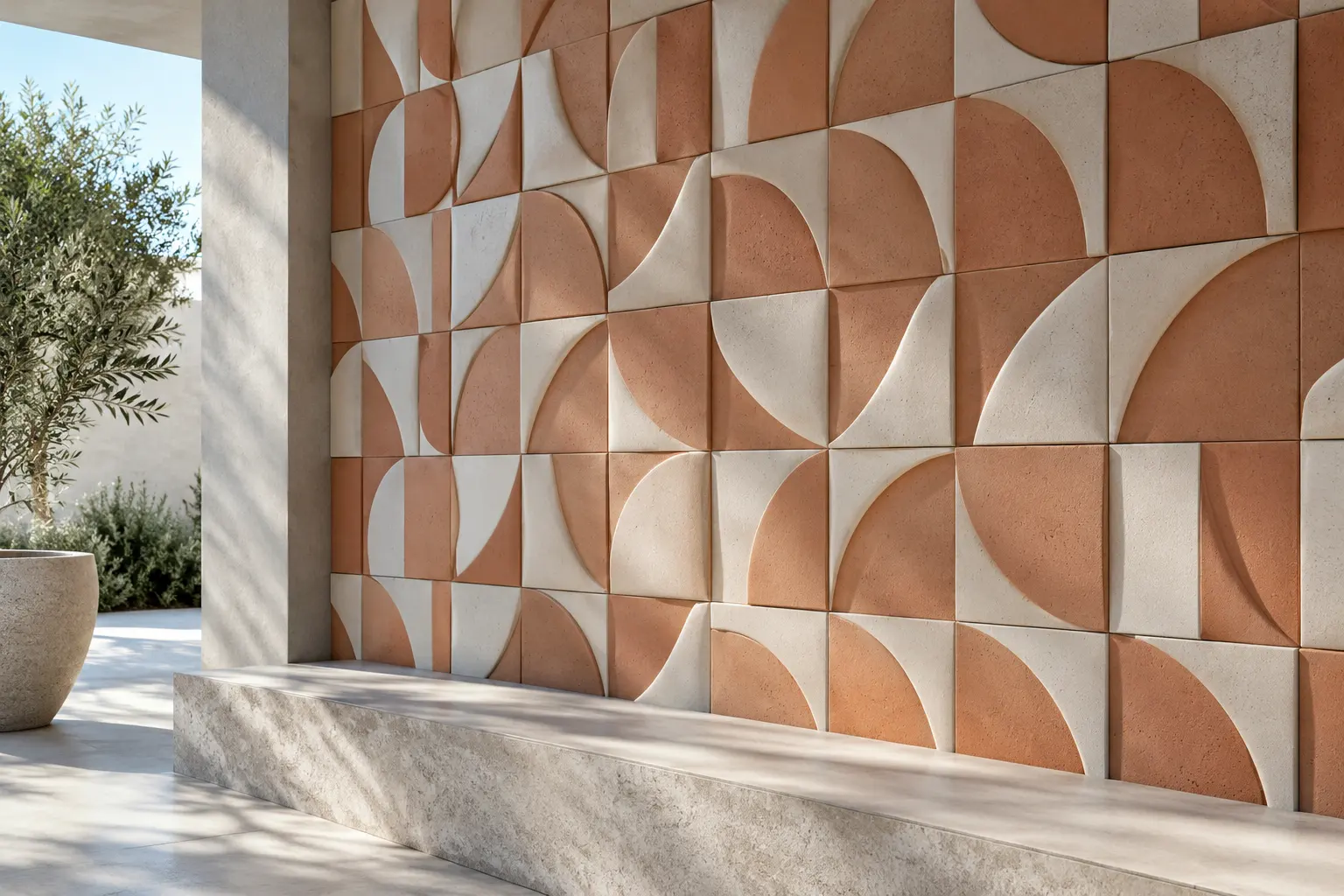
A plain wall can be calm and clean, but sometimes a room needs one point that draws the eye. Designer or highlighter tiles do that job. They are decorative tiles with bold patterns, colours, textures or 3D surfaces, used on a single wall or panel to give the room character.
What highlighter tiles are
Most highlighter tiles are glazed ceramic or GVT wall tiles. You will see them in a few common forms:
- Concept sets: a light base tile, a dark tile and a highlighter, all designed together, mostly for bathrooms
- 3D and carved tiles: raised patterns, waves, fluted lines or geometric reliefs
- Pattern tiles: Moroccan, encaustic-look, floral and geometric prints
- Metallic and glitter accents: small amounts of gold, silver or copper effect in the glaze
- Large panels: printed artwork or book-matched marble spread across several tiles
Where they work, and where they don't
Good places for a highlighter:
- The bathroom wall behind the washbasin or inside the shower
- The TV wall or a wall behind the bed
- Kitchen backsplash, as a band or the full area between counter and cabinets
- Pooja room back wall or niche
- Entrance foyer wall, reception desk front, cafe counters
Where to hold back:
- On every wall of a small bathroom. Too many highlighters make the room feel cramped and busy
- Deep 3D textures right behind a gas stove, where grease builds up in the relief
- With a floor that is already strongly patterned. Pick one star, either floor or wall
Sizes and finishes commonly available
Highlighter tiles usually match common wall sizes like 300x450 mm and 300x600 mm. Larger 600x1200 mm decorative panels are used for TV and feature walls. Finishes range from glossy and satin to matt, carving, metallic and 3D textured.
How to choose and use them
- Start with the base tile. Pick the plain tile that covers most of the wall first, then choose a highlighter that goes with it.
- Use one feature per room. One wall, one band or one panel is usually enough.
- Place it where the eye lands. Behind the washbasin, facing the door, or behind the TV.
- Light it. A wall washer, mirror light or cove light makes textures and glazes show their depth.
- Line it up. Plan where the highlighter starts and ends so it aligns with the mirror, niche or cabinet edges.
- Check grout colour. A matching grout keeps the pattern continuous. Contrast grout turns it into a grid.
For full wall planning, see our wall tiles page. Mosaic tiles are another way to add a smaller accent.
Come and see the sets together
Highlighters are best judged next to their base tiles. Call the shop to check which sets are available now, or visit us with a photo of the wall you want to highlight.
Common questions
What are highlighter tiles?
They are decorative wall tiles, usually with a bolder pattern, colour or 3D texture, designed to stand out against plain base tiles. Many come as part of a matched wall tile set.
How much highlighter tile should I use in a bathroom?
Usually one wall or one panel, such as behind the washbasin or in the shower area. A common rule is to keep highlighters to a small share of the total wall area so they stay special.
Can highlighter tiles be used in a living room?
Yes. A highlighter or 3D tile on the TV wall, an entrance wall or behind a sofa works well. Choose a design that suits the floor and furniture colours.
Are 3D highlighter tiles hard to clean?
Deep textures collect dust and soap, so they need a soft brush now and then. Avoid deep 3D textures right behind a stove or in a spot that gets splashed often.
Keep reading
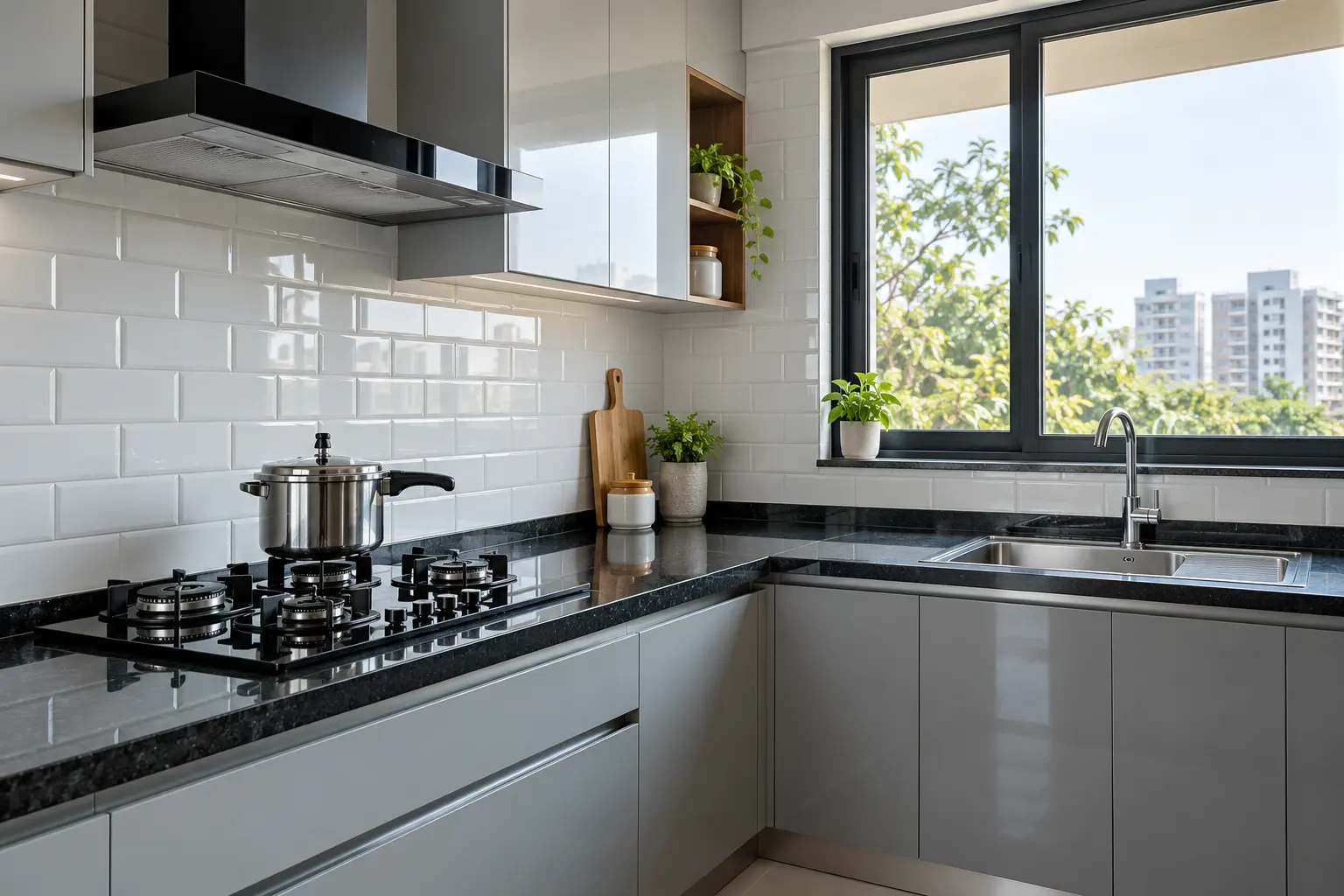
Wall tiles
Wall tiles for bathrooms, kitchens and feature walls: ceramic vs vitrified, common sizes like 300x450 and 300x600 mm, and tips for choosing a set.
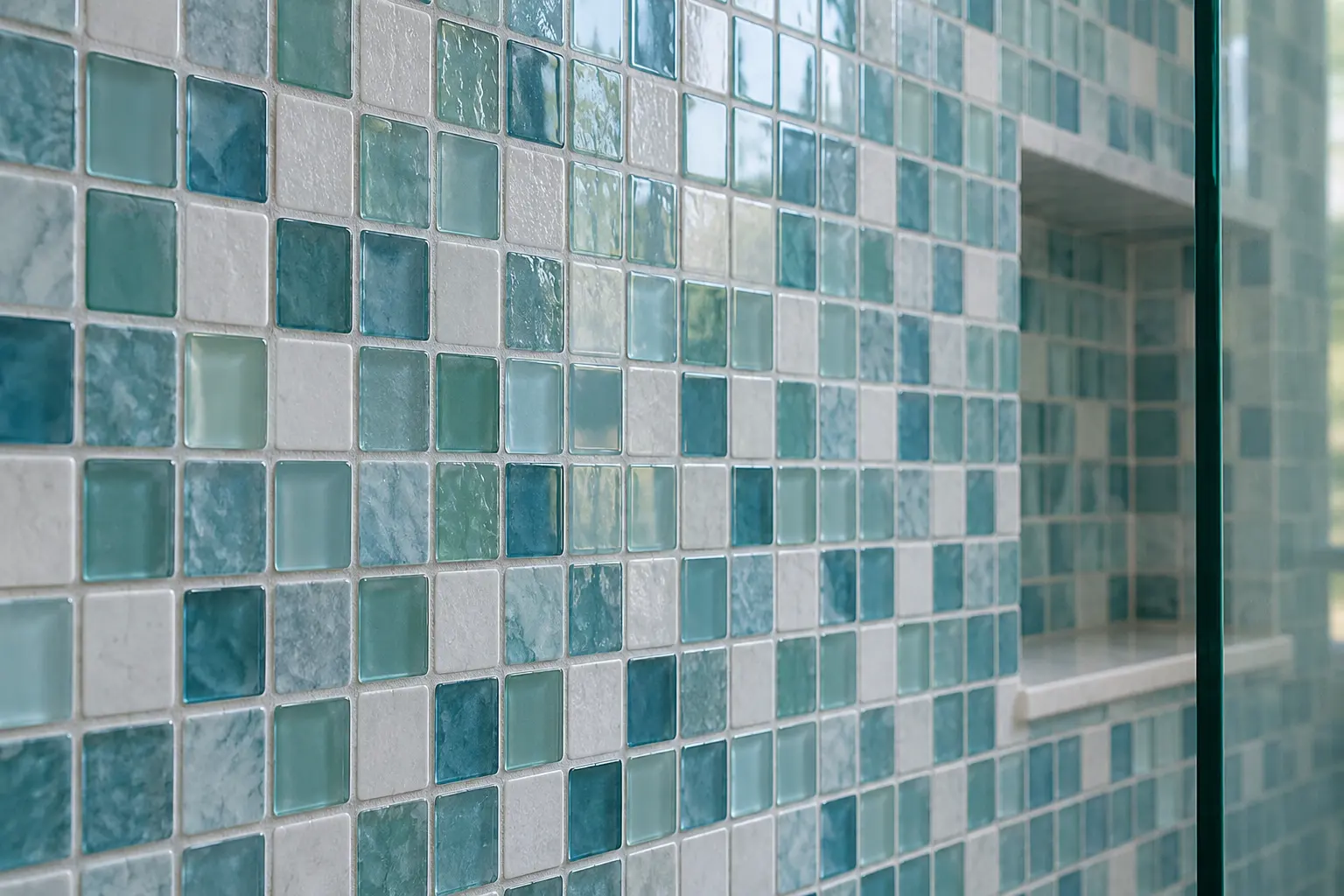
Mosaic tiles
Mosaic tiles are small pieces on mesh sheets, used for niches, backsplashes, pools and feature bands. Learn types, uses and how to lay them well.
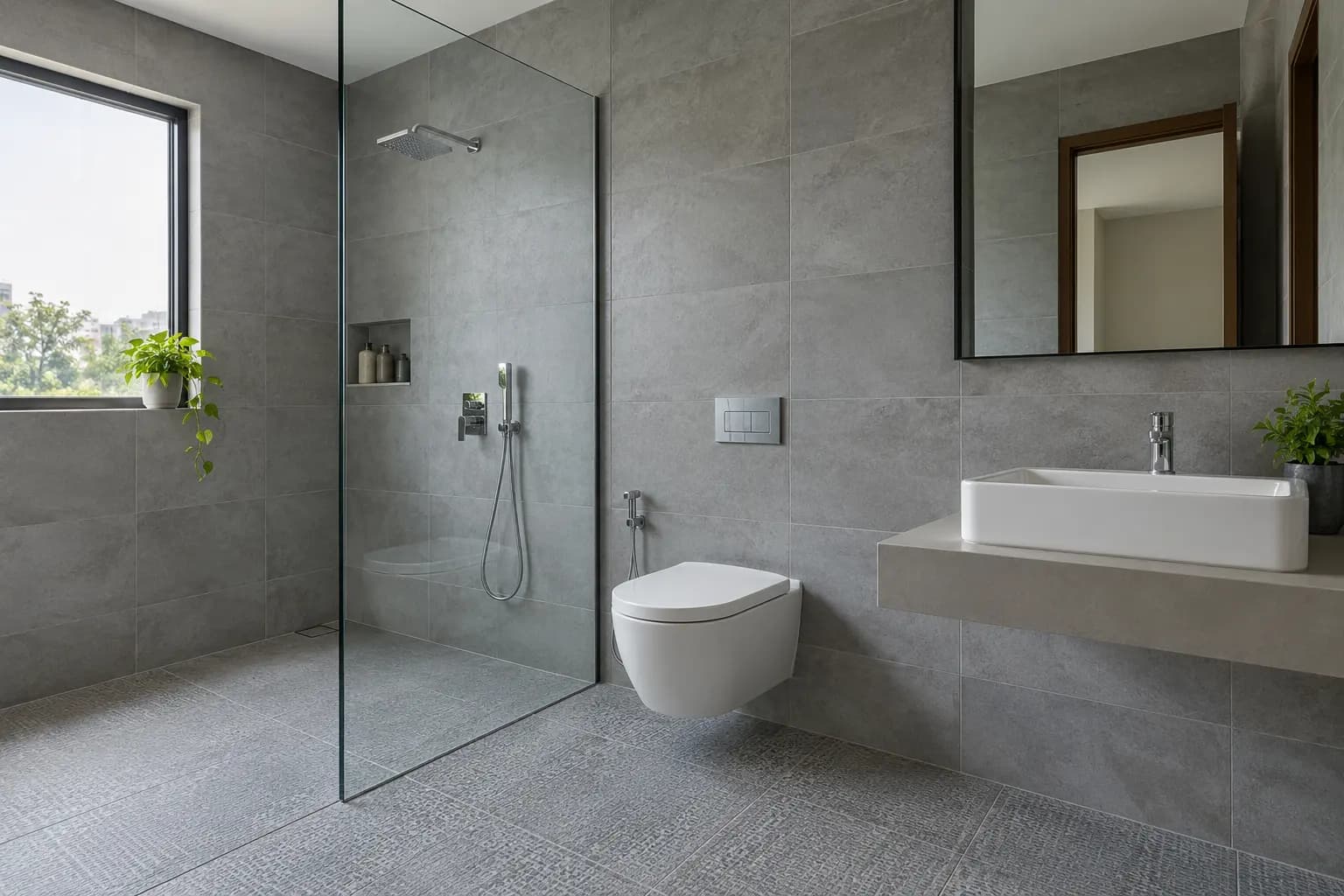
Ceramic tiles
Ceramic tiles explained: how they differ from vitrified, why they suit bathroom and kitchen walls, common sizes and what to check before you buy.
See the tiles in person before you decide
Photos never show a tile's true shade or texture. Get in touch to check what is in stock, then walk in and compare.