Carving Finish Tiles: 3D Textured Surfaces and Where to Use Them
Carving finish tiles have raised, sculpted patterns that catch light. Learn how they look, how to clean them and where they work best in a home.
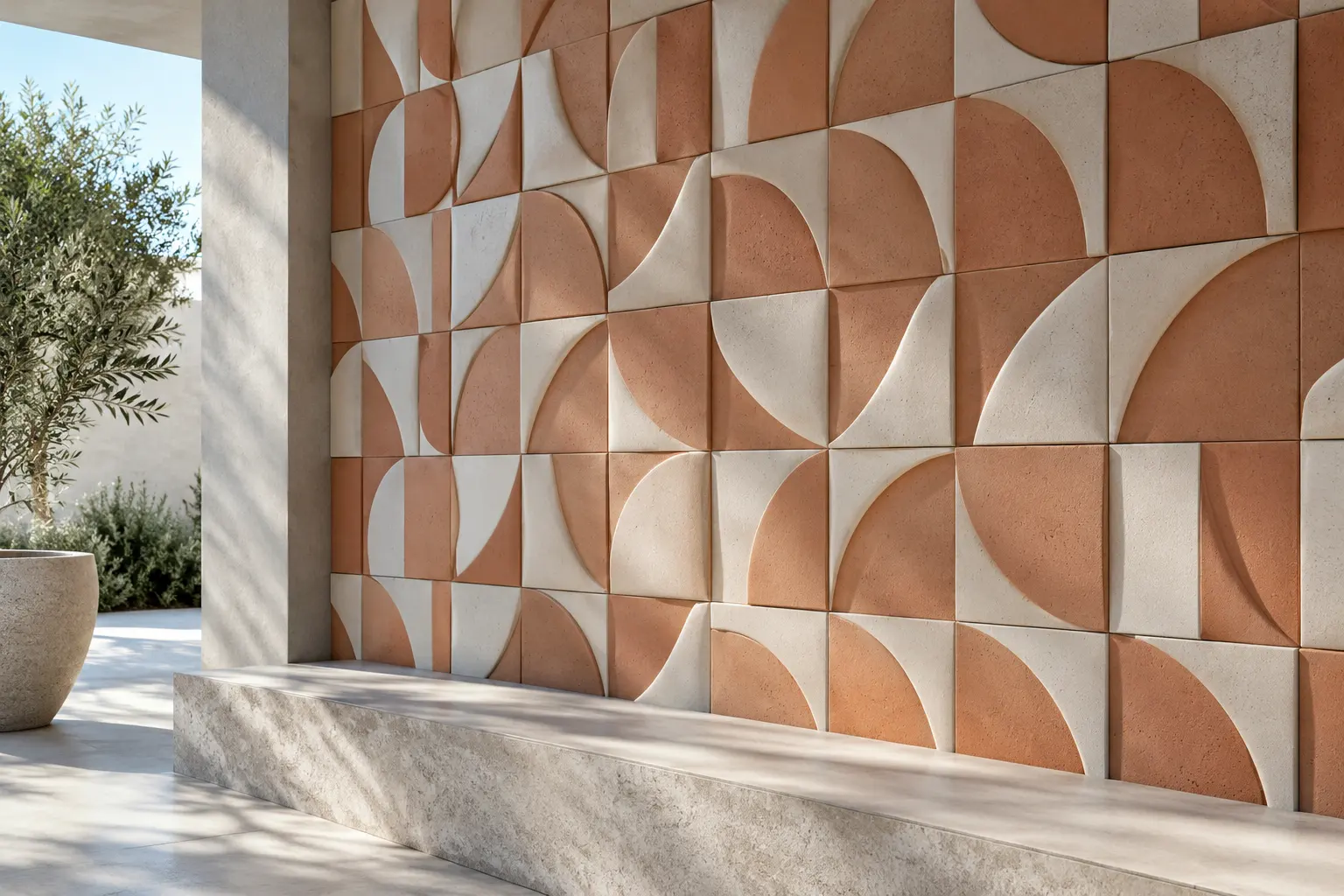
Carving finish tiles have a sculpted, three-dimensional surface. Patterns such as stone veins, waves, geometric shapes or traditional motifs are raised from the tile, so you can feel them with your hand. When light falls across them, they create shadows and depth that a flat tile cannot.
What a carving finish is
During manufacture, the tile is pressed in a mould with a raised pattern. The glaze follows the shape, giving a relief surface. Some carving tiles add a glossy glaze on the raised parts and matt in the recesses, or the other way round, to make the pattern stand out. The term is used by many manufacturers in India, and how deep the relief is varies by design.
Carving differs from rustic finish, which aims for natural-looking roughness. Carving is a deliberate, designed texture.
Look and feel
- Strong visual depth, especially under side light or spotlights.
- Patterns change with the light through the day.
- Raised texture that feels bold to the touch.
- Makes a statement, so a small area is often enough.
Slip and maintenance
| Aspect | What to expect |
|---|---|
| Walls | No slip concern, purely decorative |
| Floors | Only use floor-rated carving tiles, such as parking designs |
| Dust | Settles in the grooves, more visible on dark designs |
| Grease | Collects in recesses, avoid near the stove |
| Cleaning | Soft brush, damp cloth, mild cleaner |
For walls, dust with a soft brush or dry microfibre cloth every week or two. For deeper cleaning, use a damp cloth with a mild cleaner and wipe dry. Floor-rated carving tiles in parking areas can be scrubbed with a stiff brush and water.
Best places for carving tiles
- Living room feature walls, such as behind the TV unit, alongside designer highlighter tiles.
- Pooja room backdrops, where a lamp brings out the relief.
- Front elevation panels and columns, using elevation tiles designed for outdoors.
- Parking floors, using heavy-duty parking tiles with raised patterns for grip.
- Bedroom headboard walls for a hotel-style look.
Avoid decorative carving tiles on kitchen backsplashes, shower walls with hard water, or any floor unless the tile is made for it.
See how the light plays
Carving tiles are hard to judge from a photo. Visit the shop to see the relief under different light, or call to ask which designs are in stock.
Common questions
What is a carving finish tile?
It is a tile with a raised, sculpted pattern pressed into the surface, so the design has depth you can feel. The texture creates light and shadow on the wall or floor.
Can carving finish tiles be used on floors?
Some carving tiles, such as heavy parking tiles with raised patterns, are made for floors. Decorative carving tiles for walls are not meant for walking on, so check the tile's intended use.
Are carving tiles hard to clean?
The grooves can collect dust and grease, so they take a little more cleaning than flat tiles. A soft brush or dry cloth works for walls.
Keep reading
Highlighter tiles
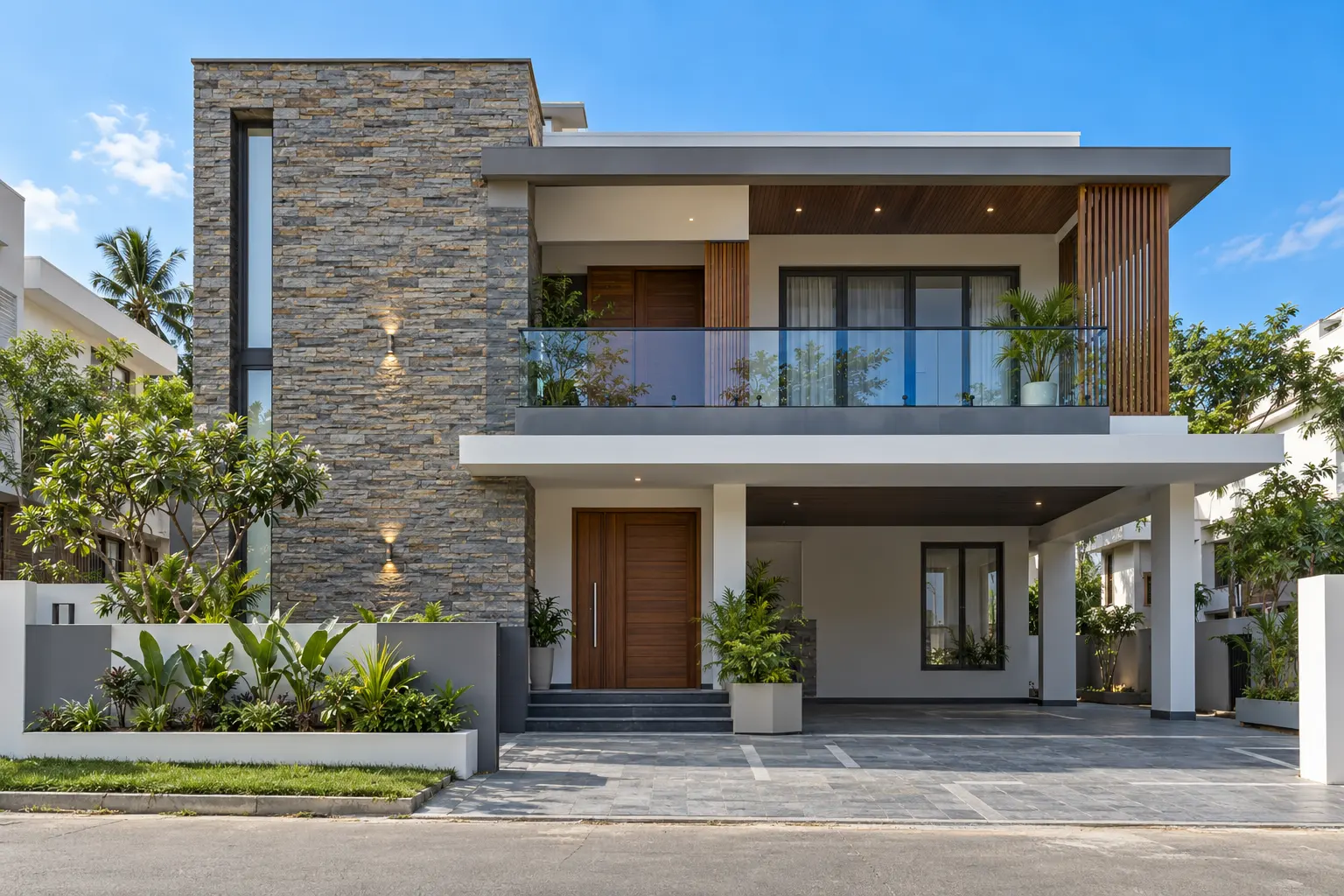
Highlighter tiles add a focal point to bathrooms, kitchens and living room walls. Learn how to use them well, common sizes and how much to use.
Elevation tiles
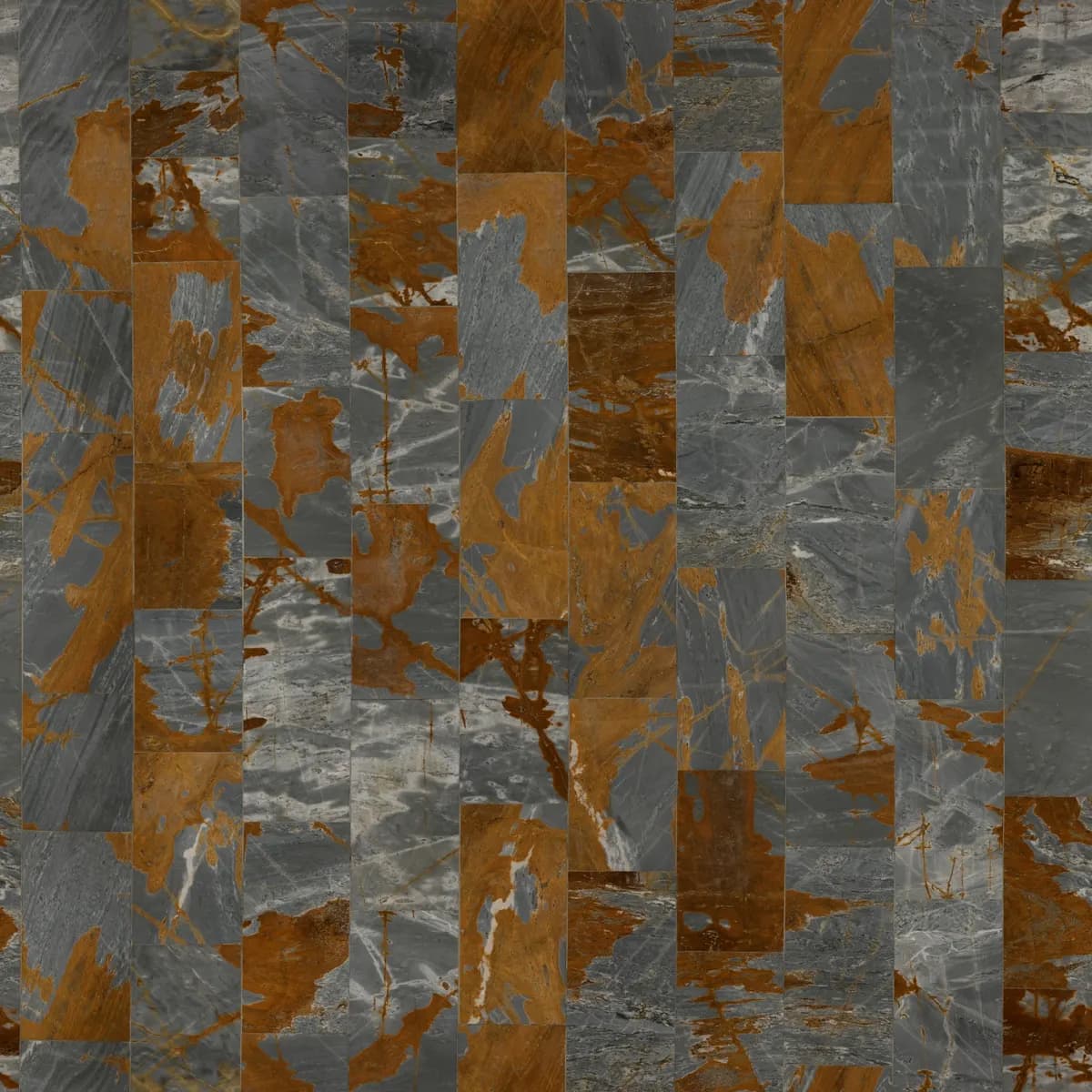
Elevation tiles clad the outside walls of your home in stone, brick or wood looks. Learn which tiles suit exteriors, sizes and how to fix them safely.
Rustic finish
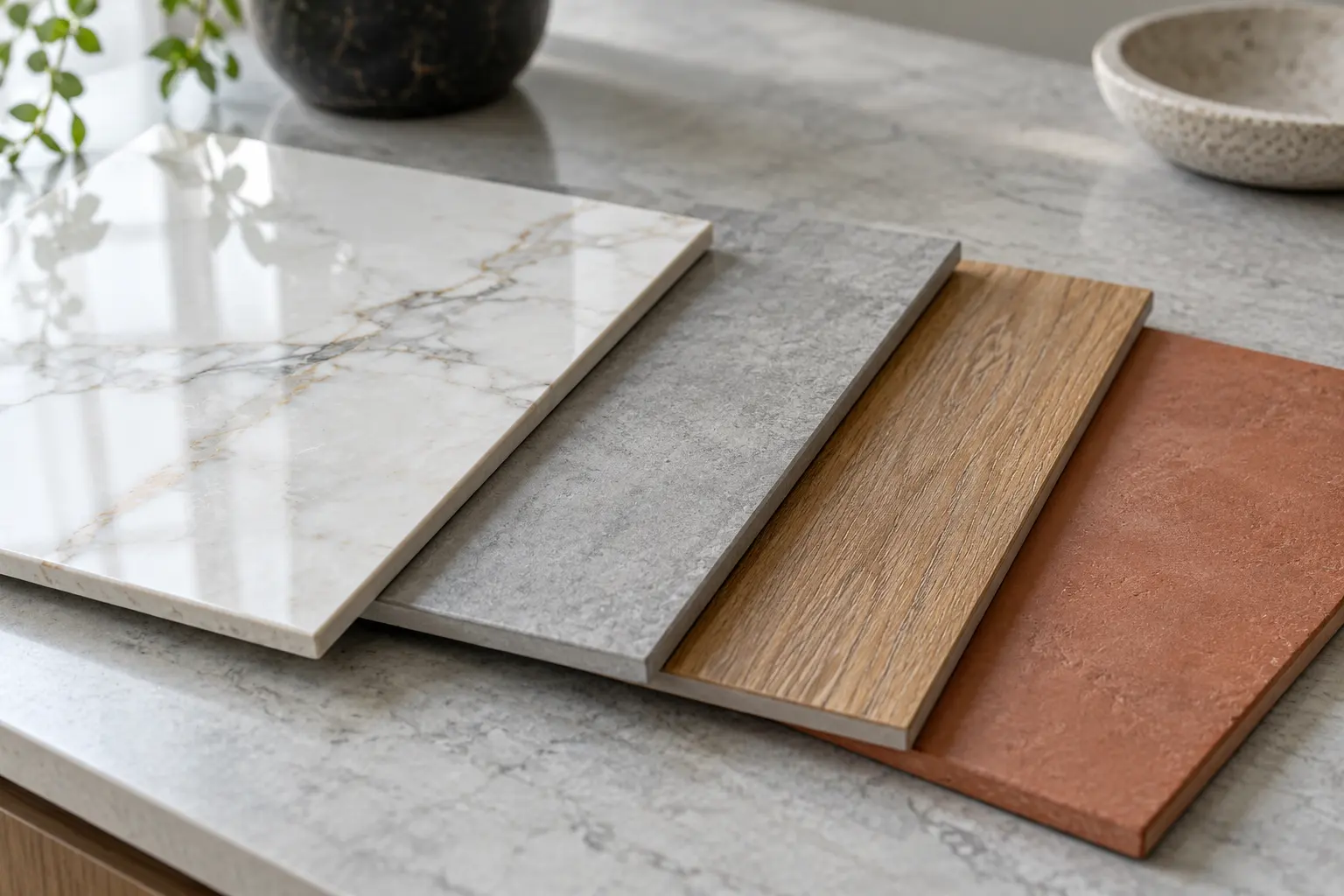
Rustic finish tiles bring a textured, natural stone feel. Learn how they grip, how to clean them, and where they suit Bengaluru homes inside and out.
See the tiles in person before you decide
Photos never show a tile's true shade or texture. Get in touch to check what is in stock, then walk in and compare.