Natural Stone Wall Cladding in Bengaluru: Types, Sizes and Uses
Natural stone cladding in sandstone, slate and marble: how it differs from elevation tiles, strip and square sizes, where it works and how it is fixed.
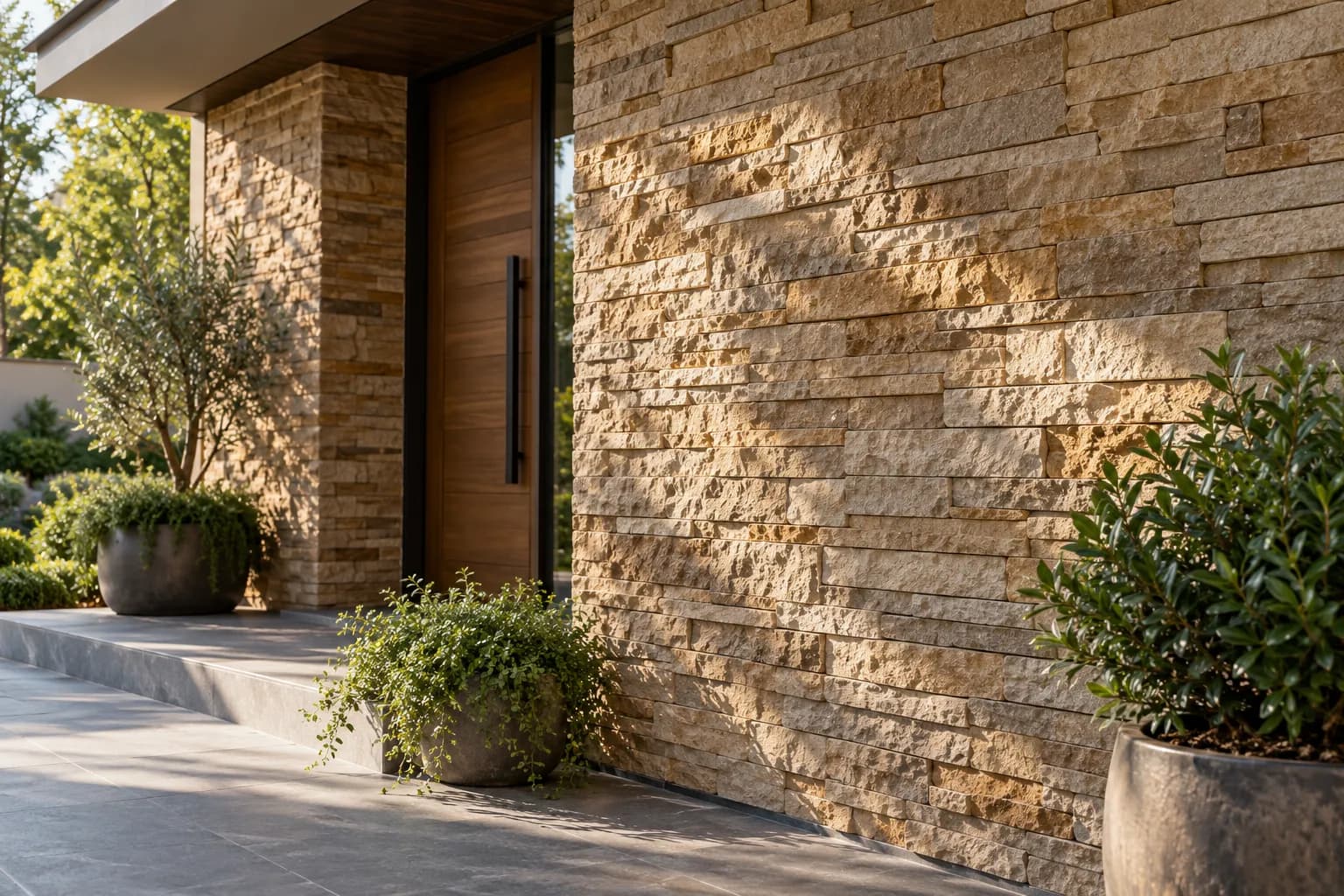
Natural stone cladding is real stone, cut into thin strips or squares with a rough split face, fixed on a wall to give it texture and depth. Unlike a printed tile, no two pieces are the same. It suits entrance walls, compound walls and indoor feature walls where you want something that looks solid and settled rather than manufactured.
Real stone or stone-look tiles
Many people come in asking for "stone" and are not sure whether they want real stone or elevation tiles that copy it. Both have a place. Here is how they compare.
| Natural stone cladding | Stone-look elevation tiles | |
|---|---|---|
| Look | Genuine split texture, real depth | Printed or moulded texture, flatter up close |
| Weight | Heavier per sq ft | Lighter |
| Variation | Every piece differs in colour and thickness | Repeating designs, uniform pieces |
| Weathering | Ages and mellows; can collect moss if unsealed | Holds its original look for years |
| Sealing | Usually needed, more so for porous stone | Usually not needed |
| Fixing | Uneven backs and weight need more care | Flat backs, simpler to fix |
If you want the wall to look like a quarry face, choose stone. If you want a stone feel with less upkeep and an even result, tiles may suit you better.
The three stones and how to choose
- Sandstone gives warm beige, golden, brown and layered multi-colour tones. It is softer and more porous, so it needs sealing, especially outside.
- Slate is dark and dense: charcoal black, steel grey, green and rust or copper shades. It is a common choice for TV walls and modern house fronts.
- Marble split-face is brighter, in white, black, brown and green. It looks clean on interior walls but reacts to acids, so it needs a little more care.
A simple rule: pick the colour family that suits the rest of the house first, then check whether that stone suits the location (indoor or outdoor, rain exposure, kitchen nearby).
Strips or squares
Natural stone cladding has typically come in these sizes, in mm:
- Strips: 75x150, 100x300, 150x300, 150x600
- Squares and near-squares: 150x150, 280x300, 300x300
Long strips laid in horizontal rows give a stacked, layered look that makes a wall feel wider. Squares give a more even, block-like pattern that reads well on large exterior surfaces. Small strips such as 75x150 mm fit narrow pillars and wall returns without too much cutting. Ask the shop what is in stock, as sizes and colours change with each lot.
Where stone cladding works
Indoors: TV unit walls, a bedroom wall behind the bed, the wall facing the main door, staircase walls and pooja areas.
Outdoors: the front elevation, entrance walls, gate pillars, compound walls and balcony walls. On exteriors, think about where rainwater runs. Stone under an open ledge or near a downpipe will darken and may grow moss unless sealed and cleaned.
For a single artistic focus rather than a textured surface, look at carved stone murals. A mural set inside a cladded wall also works well.
Fixing and sealing basics
Stone is heavier than most tiles and its back is not perfectly flat, so fixing matters.
- Sound base. Fix on a firm, cured cement plaster, not on paint or putty.
- Stone adhesive. A polymer modified adhesive suited to natural stone, applied with full coverage, is generally preferred over plain cement paste.
- Height. On tall exterior walls, mechanical anchoring (clamps or pins) along with adhesive is often recommended. Your mason or contractor will advise based on the wall and the stone.
- Sealing. A penetrating stone sealer, applied after fixing and once the stone is clean and dry, reduces water absorption and staining.
Expect variation
Shade, thickness and surface vary between pieces and between batches. This is what makes the wall look natural, but it also means you should buy the full quantity together, plus some extra for cutting. Before fixing, lay pieces out on the floor and mix them from different boxes so no single patch looks too dark or too light.
See the stone in person
Photos cannot show how stone feels or how its colours shift. Contact the shop to ask what is in stock, then visit with your wall measurements to see the pieces together.
Common questions
Is natural stone cladding better than elevation tiles?
Neither is better for every wall. Real stone gives genuine texture and variation that ages well, while elevation tiles are lighter, more uniform and need less care. Choose based on the look you want, the wall and how much upkeep you accept.
Will the stone I receive match the sample at the shop?
Not exactly. Natural stone changes from piece to piece and between batches, so treat a sample as a guide to the general colour and texture. Look at several pieces together before deciding.
Does stone cladding need sealing?
Usually yes, especially outdoors and for porous stones like sandstone. A penetrating stone sealer reduces water absorption, staining and moss growth. It needs reapplying every few years.
Can stone cladding be fixed on a painted wall?
Not directly. Paint and putty are weak layers and the stone can come off with them. The wall usually needs to be scraped back to sound plaster first. Your mason or contractor will advise on preparation.
Keep reading
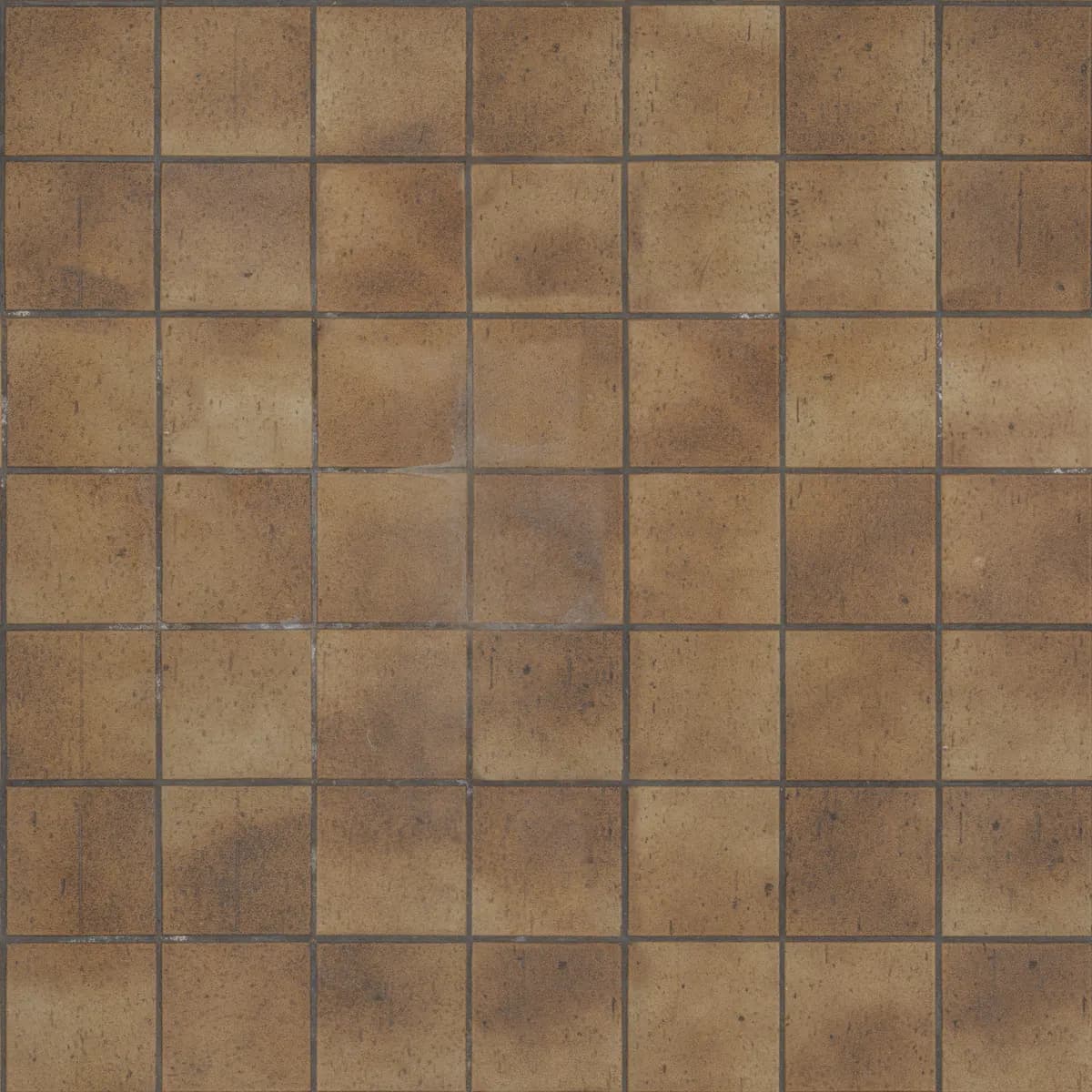
Sandstone cladding
Sandstone wall cladding in beige, golden, brown and layered tones. How it behaves in Bengaluru rain, why sealing matters and how to keep it clean.
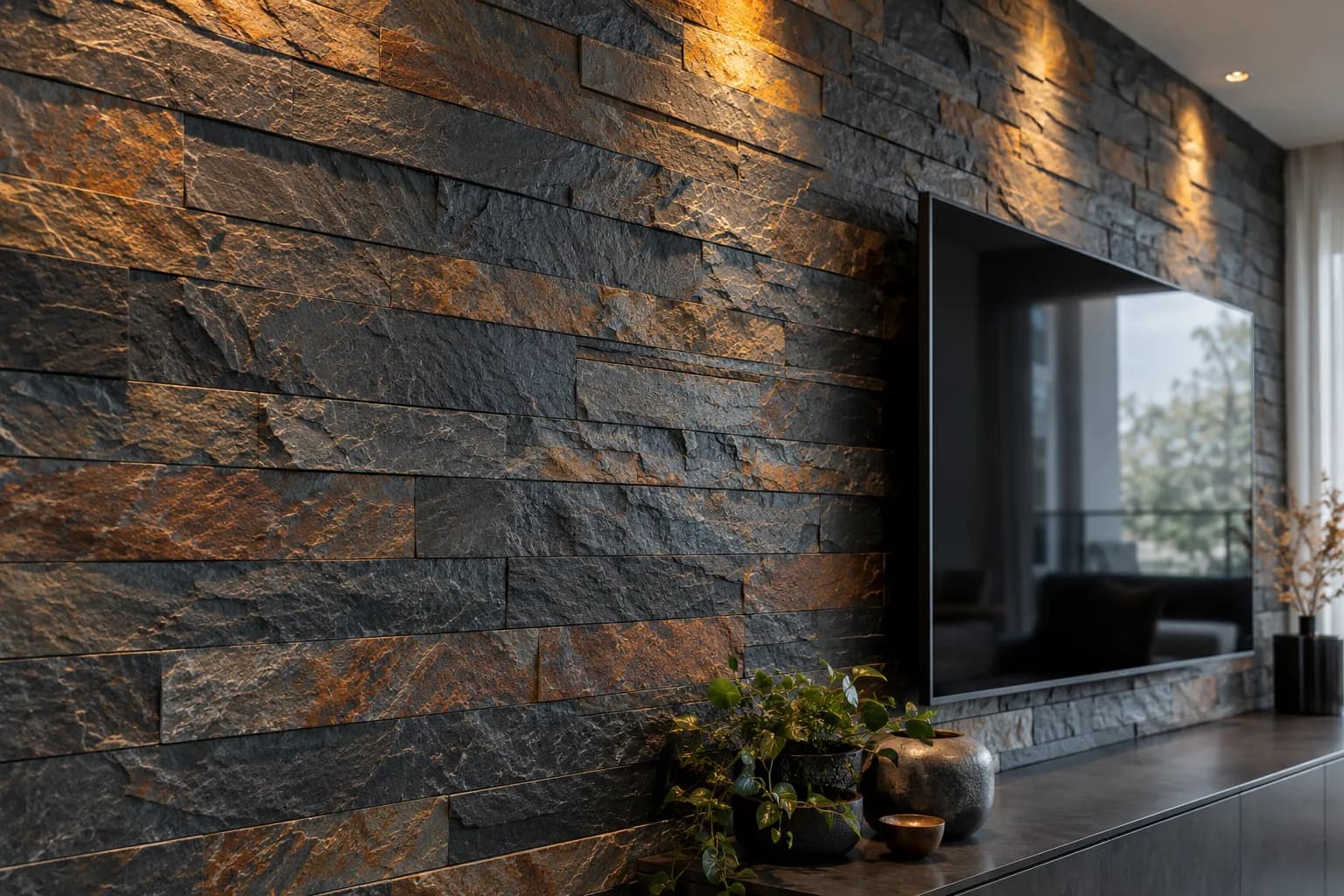
Slate cladding
Slate wall cladding in charcoal, black, grey, green and rust tones. Why it suits TV walls and modern fronts, what rust colour means and how to light it.
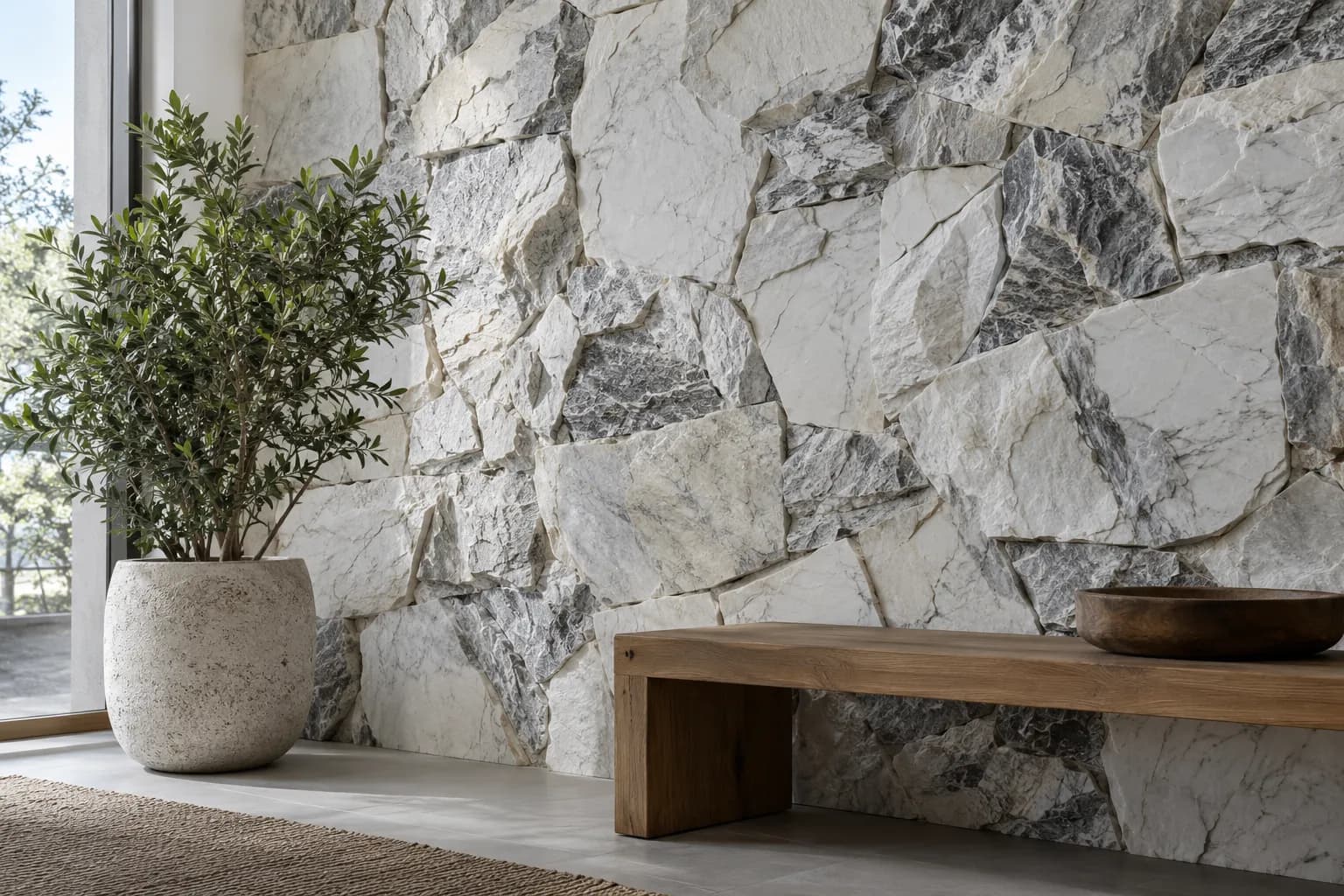
Marble cladding
Split-face marble wall cladding in white, black, brown and green. Where it suits, why lime and acids etch it, and how sealing keeps it looking clean.
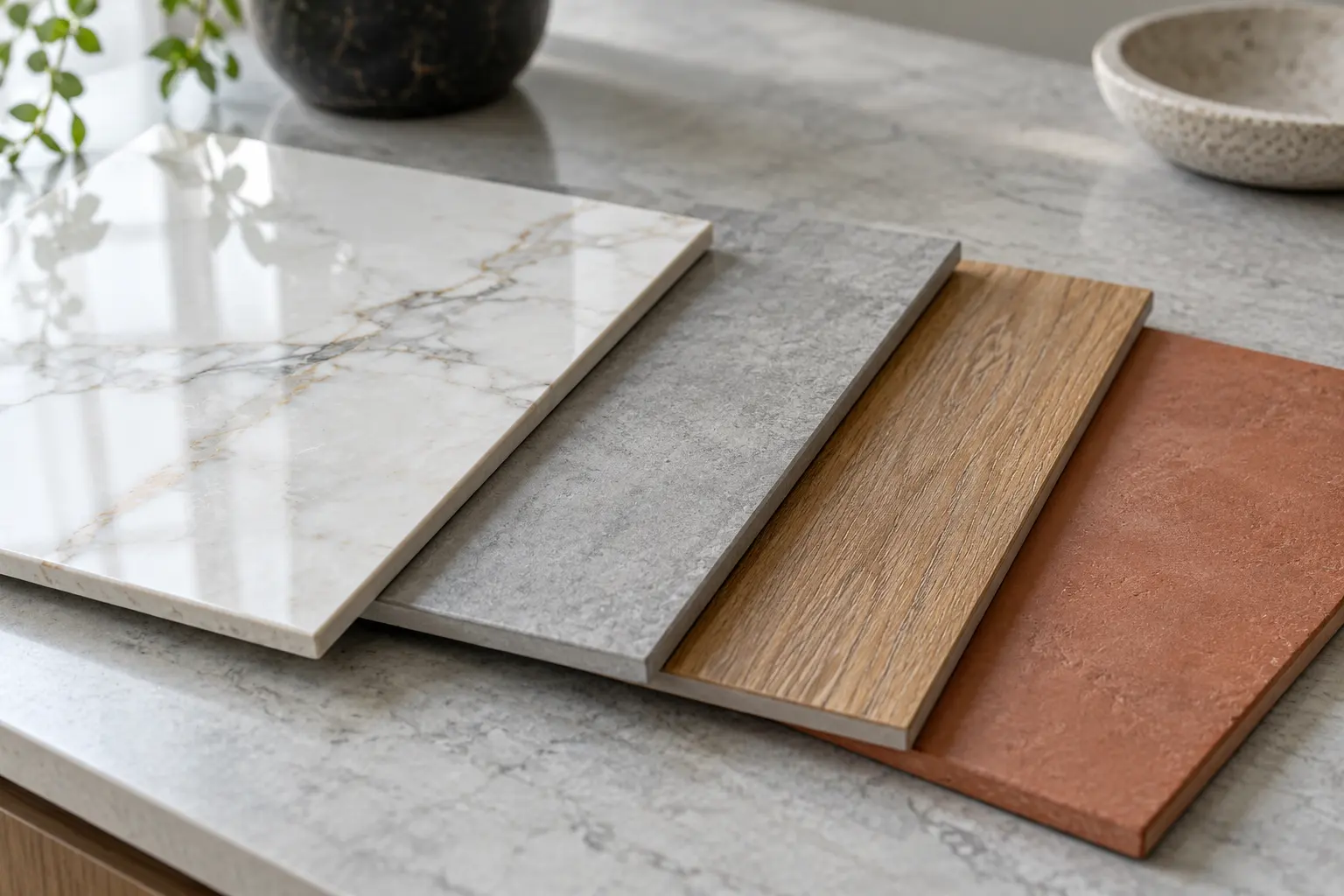
See the tiles in person before you decide
Photos never show a tile's true shade or texture. Get in touch to check what is in stock, then walk in and compare.