Wall Tiles in Bengaluru: Bathroom, Kitchen and Feature Walls
Wall tiles for bathrooms, kitchens and feature walls: ceramic vs vitrified, common sizes like 300x450 and 300x600 mm, and tips for choosing a set.
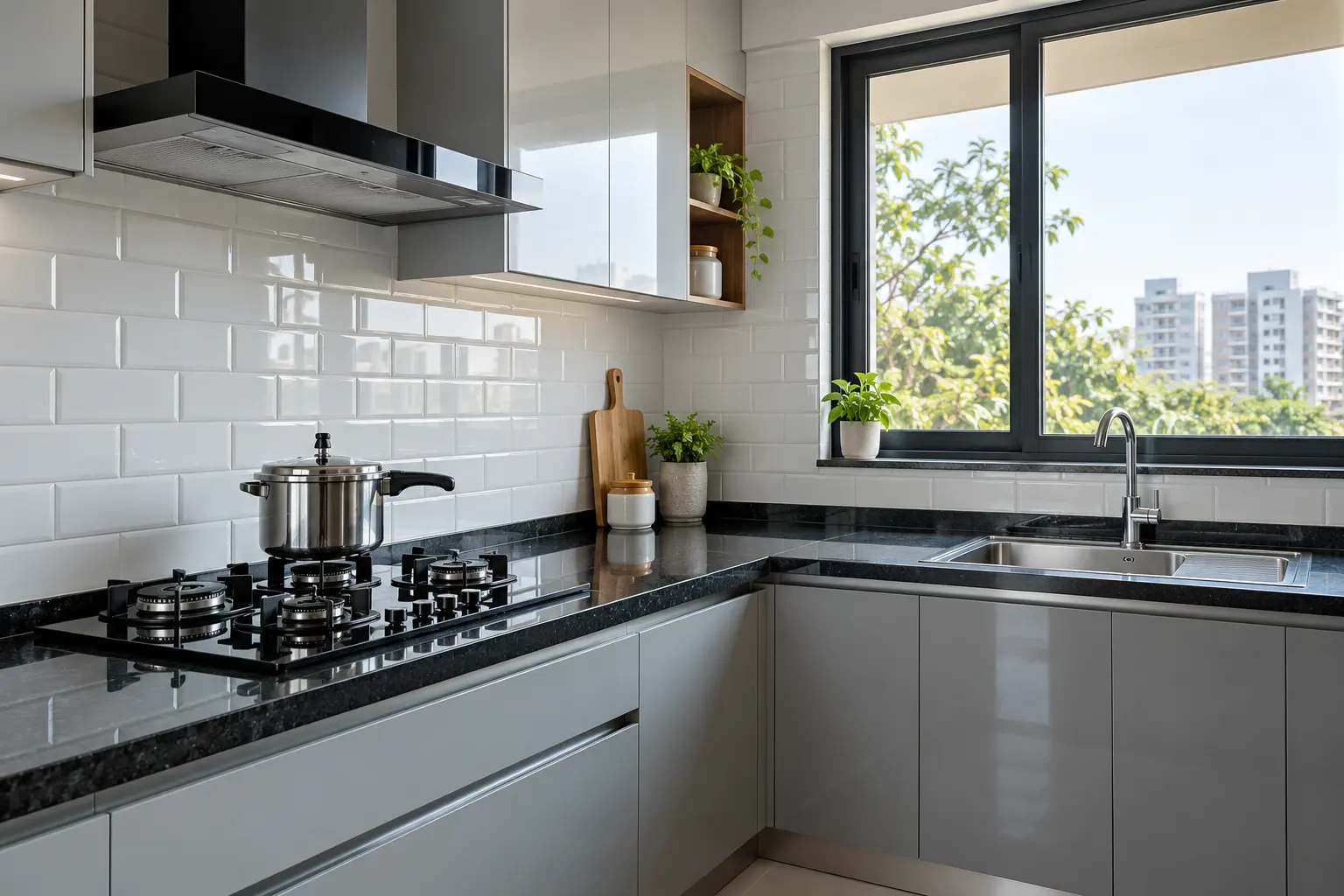
Wall tiles protect walls from water, oil and stains, and they set the mood of a bathroom or kitchen more than any other single choice. Since walls do not carry foot traffic, you have more freedom in finish and design. This page covers the main types, where they belong and how to put together a set that works.
What wall tiles are
Most wall tiles are ceramic: a lighter clay body with a glazed face. They are thinner than floor tiles, often around 7 to 9 mm, easier to cut and drill, and the porous back bonds well to the wall. Ceramic wall tiles typically absorb more water than vitrified tiles, which is fine because the glazed face is what faces the moisture.
Vitrified and GVT tiles are also used on walls, especially for large format panels behind a TV, in a pooja room, or when you want floor and walls in the same design.
Where wall tiles work, and where they don't
Common uses:
- Bathroom walls, full height or to around 7 feet
- Kitchen backsplash between the counter and the cabinets
- Utility and wash area walls
- Feature walls in living rooms, bedrooms and pooja rooms
- Staircase and passage dados
Avoid:
- Using ceramic wall tiles on any floor. They are not made for that load
- Ceramic wall tiles on exterior walls exposed to rain. For outside, choose elevation tiles made for exterior use
- Very rough textured tiles directly behind a stove, where grease is hard to wipe off
Sizes and finishes commonly available
The most common wall tile sizes are 300x450 mm and 300x600 mm. Smaller formats like 250x375 mm, subway tiles and mosaics are used for backsplashes and niches. Larger 600x1200 mm vitrified panels are popular on feature walls.
Finishes include glossy, satin, matt, sugar (lightly textured) and 3D or carving designs.
How to choose a wall tile set
Bathroom wall tiles are often sold as a concept set: a light tile, a dark tile and a highlighter tile. A few practical tips:
- Let the light tile do most of the work. It covers most of the wall and keeps a small bathroom bright.
- Use the highlighter sparingly. One band, or one wall behind the washbasin or shower, usually looks better than highlighters everywhere.
- Match with the floor. Carry your floor tile sample when choosing walls.
- Plan the layout around fittings. Ask your plumber where the mixer, shower and geyser points are. Good planning reduces awkward cuts.
- Pick grout colour early. A close-matching grout gives a calm look, a contrast grout shows off the tile pattern.
For kitchen ideas, see our kitchen backsplash guide.
See the full set together
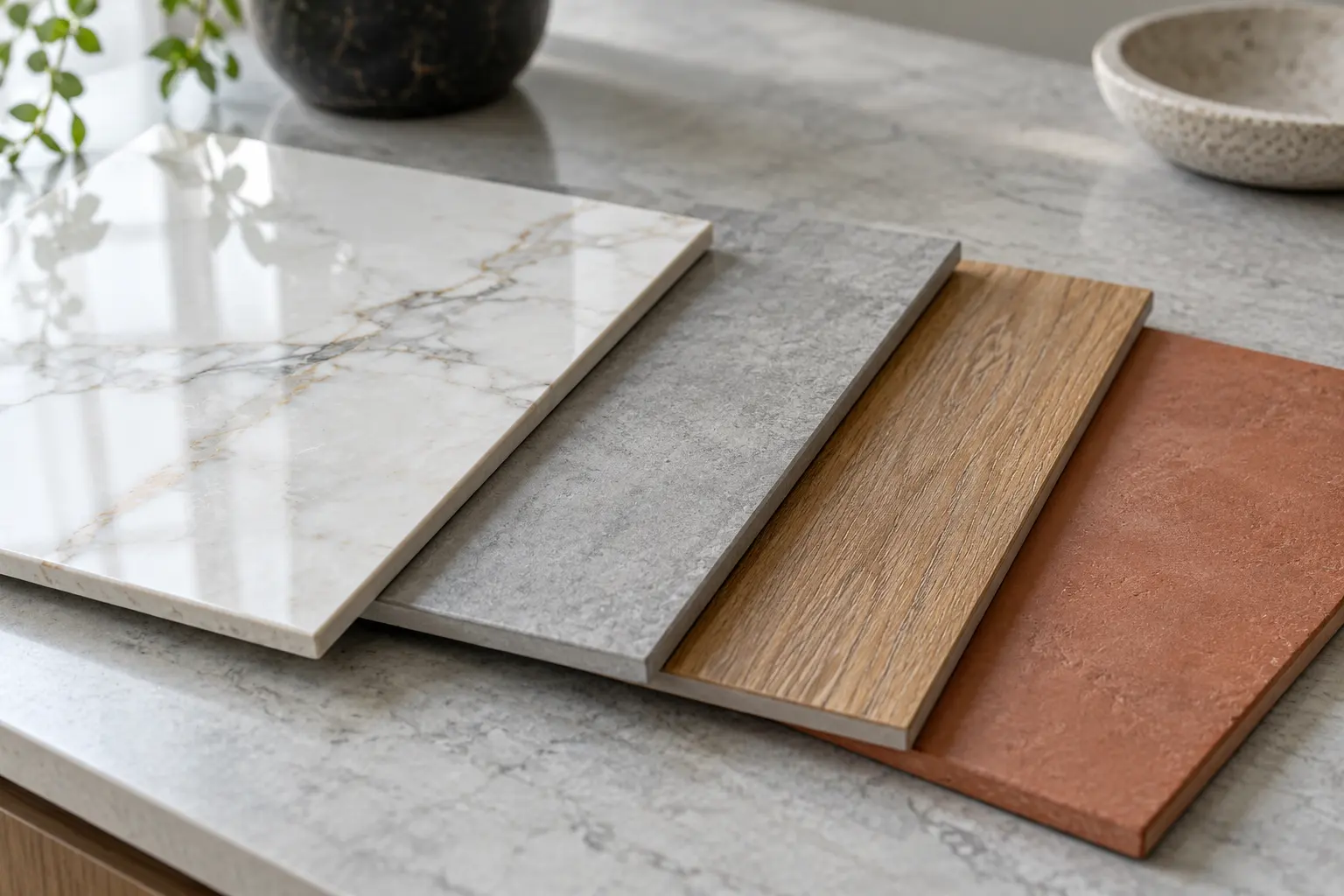
Wall tiles look very different in a single sample than on a full wall. Visit the shop with your wall measurements and we will show you complete sets from current stock, or call to ask what is available.
Common questions
Can floor tiles be used on walls?
Yes, floor tiles can go on walls if the adhesive and wall are suitable, and many people use the same vitrified tile on floor and walls. The reverse, wall tiles on floors, should be avoided.
How high should bathroom wall tiles go?
Many Bengaluru homes tile bathrooms to around 7 feet or up to the ceiling. Full height is easier to clean and avoids a paint line that gets damp.
What size wall tiles are best for a small bathroom?
300x600 mm is a popular choice, as larger tiles mean fewer grout lines and make the room feel bigger. Use a light base tile and a single highlighter row or panel.
Should kitchen wall tiles be glossy or matt?
Glossy tiles are easier to wipe clean of oil splashes. Matt tiles look softer but need a little more scrubbing near the stove.
Keep reading
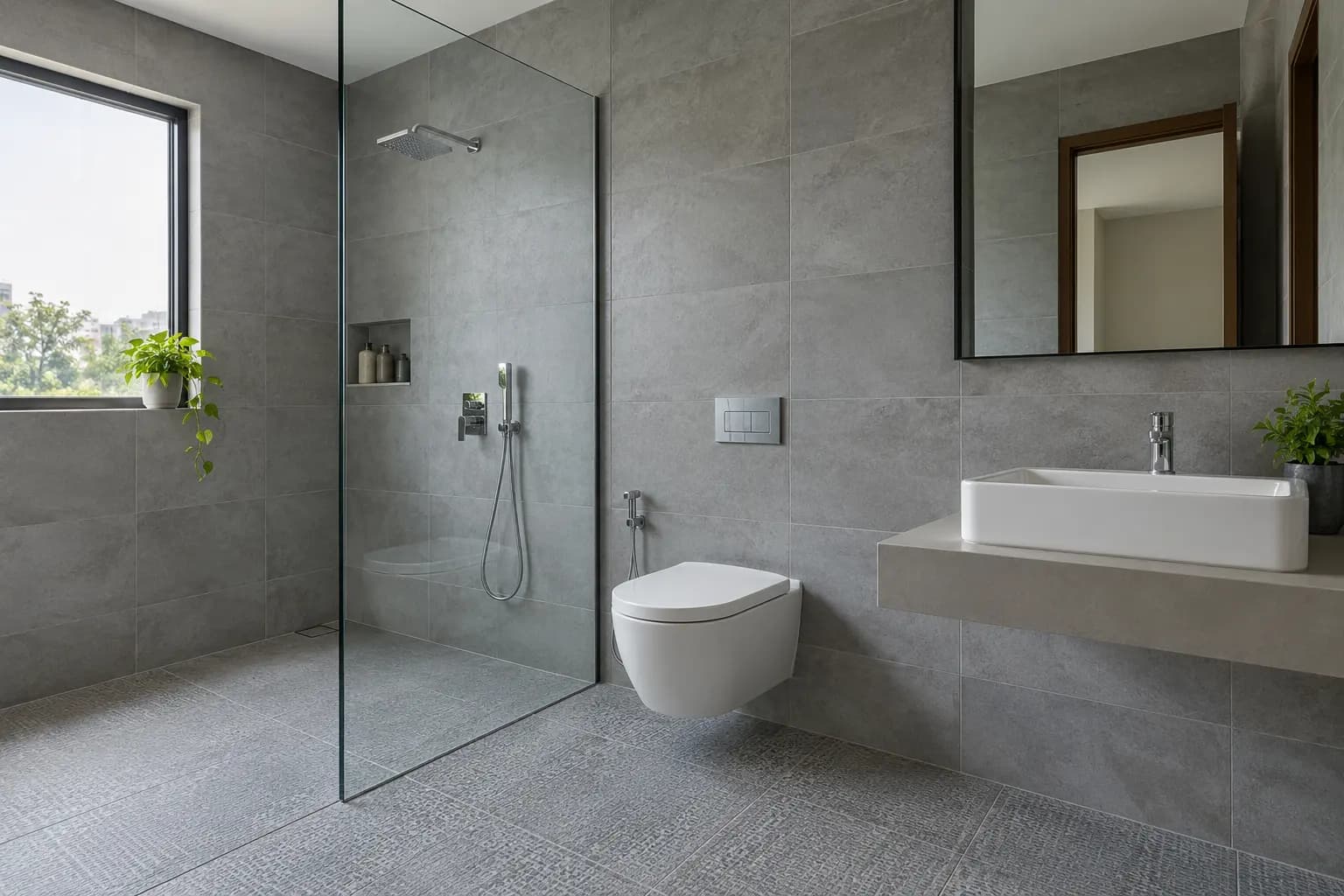
Ceramic tiles
Ceramic tiles explained: how they differ from vitrified, why they suit bathroom and kitchen walls, common sizes and what to check before you buy.
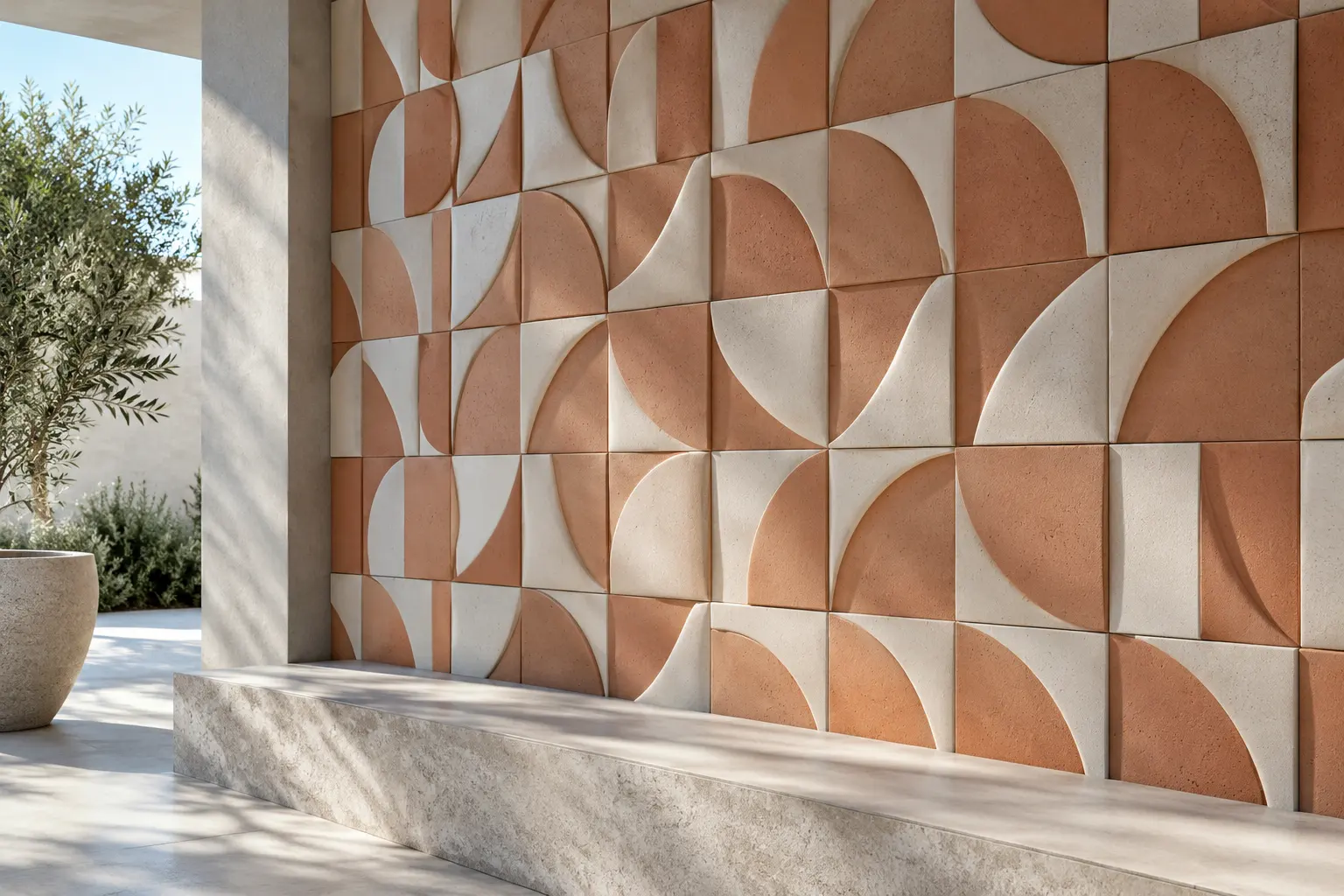
Highlighter tiles
Highlighter tiles add a focal point to bathrooms, kitchens and living room walls. Learn how to use them well, common sizes and how much to use.
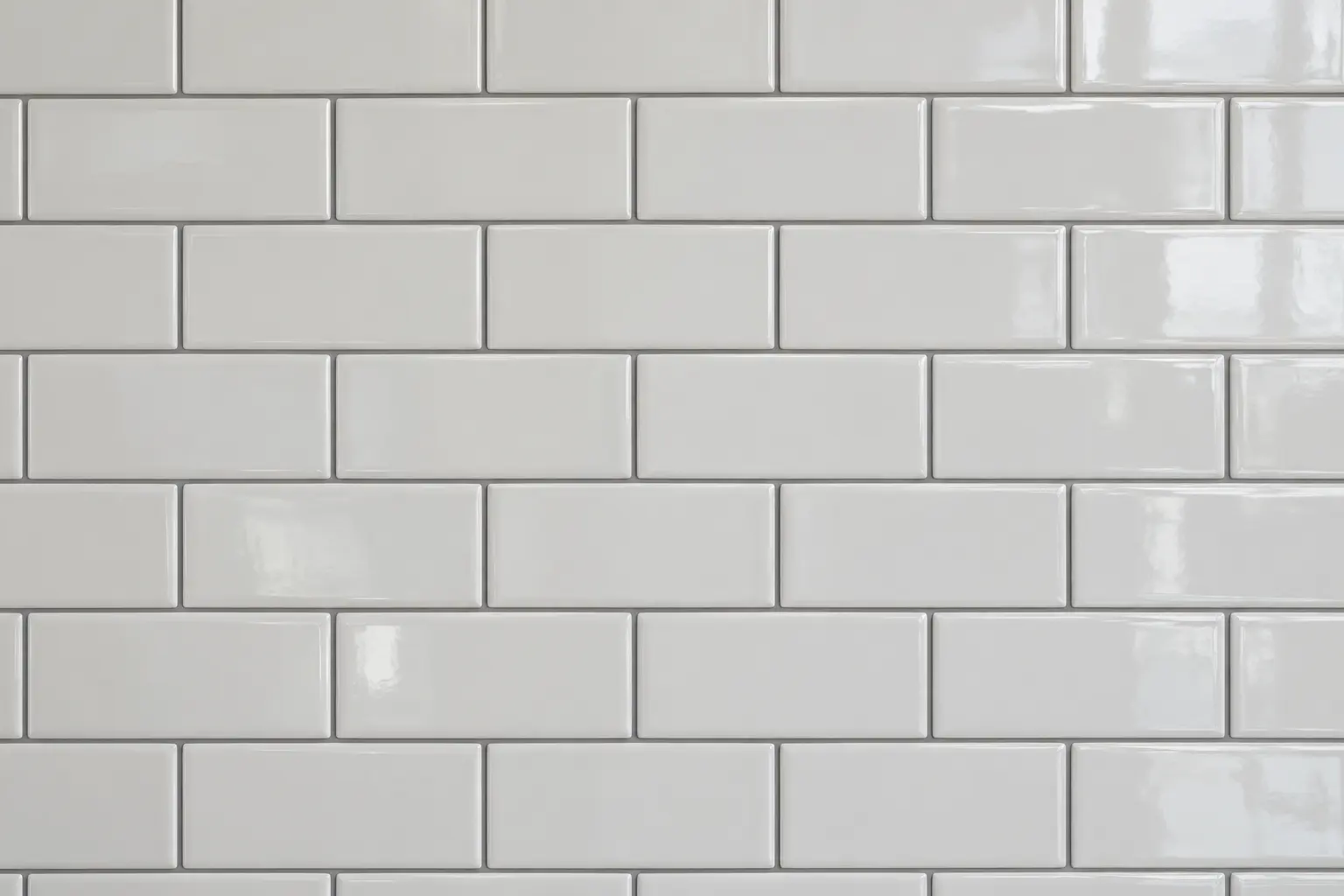
Subway tiles
Subway tiles are small rectangular wall tiles, a classic for kitchen backsplashes and bathrooms. Learn sizes, laying patterns and grout tips.
See the tiles in person before you decide
Photos never show a tile's true shade or texture. Get in touch to check what is in stock, then walk in and compare.