Pooja Room Tiles: Calm, Clean Designs for Home Mandirs
Pooja room tile ideas for Bengaluru homes: marble-look floors and walls, backdrops for the mandir, finishes that handle oil lamps, and practical tips.
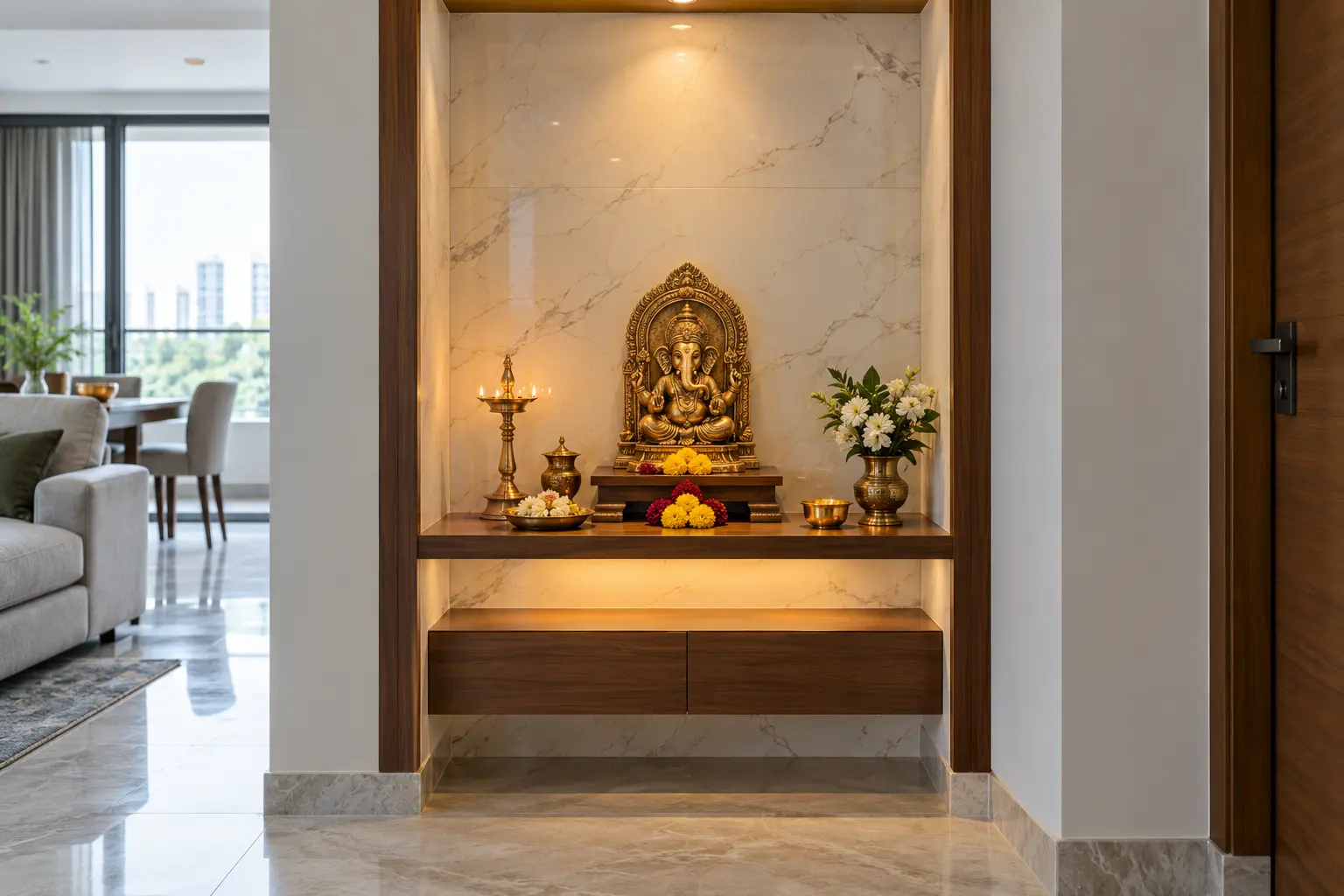
The pooja room or mandir corner is a small space with a lot of meaning. It should feel calm and clean, and the tiles have to cope with oil lamps, kumkum, flowers, incense ash and frequent wiping. Whether you have a separate room in an independent house or a wall niche in an apartment, the right tiles make it easy to keep it spotless.
What a pooja space needs
- Easy cleaning. Oil from diyas, turmeric, kumkum and incense ash fall on the floor and the backdrop regularly.
- Calm, traditional look. Most families prefer white, cream, ivory or soft gold tones.
- Small size. Many apartment pooja areas are only 3 to 5 feet wide, so busy patterns can look crowded.
- Light. Pooja spaces are often lit with a lamp or a small spotlight. Glossy surfaces reflect the light nicely.
Recommended tiles
Marble finish tiles are the classic choice. White marble-look vitrified tiles give the feel of a marble mandir without the porosity and staining issues of real marble. They are used on the floor, the back wall and sometimes the ceiling of the niche.
For the backdrop behind the idols:
- Designer highlighter tiles with temple motifs, mandala patterns or soft gold details.
- Carving finish tiles with raised patterns that catch the lamp light.
- Glossy or satin wall tiles in white or cream for a simple, clean wall.
For the floor:
- Light marble-look vitrified in satin or matt, so it does not get slippery if water is spilt during pooja.
- A white floor inside the pooja room, framed by a border tile, is a common way to separate it from the rest of the floor.
Layout and design tips
- Keep the floor simple and let the back wall be the focus.
- Use one feature panel, not many. A single highlighter panel behind the idols looks more graceful than patterns on every wall.
- Line up the tile joints with the centre of the mandir so the main idol sits on a centre line.
- Tile the platform or shelf with the same marble-look tile for a finished look.
- Use lighter grout that matches the tile, so the wall looks like one surface.
| Area | Suggested tile |
|---|---|
| Floor | White or cream marble-look, satin or matt |
| Back wall | Highlighter, carving or glossy marble-look |
| Side walls | Plain white or cream wall tile |
| Shelf or platform | Same marble-look as the floor |
For more ideas, read our guide on tiles for the pooja room.
Mistakes to avoid
- Deeply textured tiles right below the diya. Oil collects in the grooves.
- Too many patterns in a small niche. It can look cluttered.
- Very glossy floors where water is used during pooja. Choose satin or matt.
- Mismatched whites. White tiles from different series may have slightly different shades. Buy floor and wall from the same range where possible.
Come and choose together
Pooja room tiles are often a family decision. Bring the niche or room measurements and visit the shop to see marble-look and highlighter tiles side by side, or call to ask what is in stock.
Common questions
Which tiles are best for a pooja room?
White or cream marble-look vitrified tiles are the most popular because they look clean and traditional without the upkeep of real marble. A decorative highlighter tile behind the idols adds focus.
Will oil lamps stain pooja room tiles?
Oil and soot can mark any surface, but vitrified and glazed tiles do not absorb oil easily, so they wipe clean. Real marble, being porous, can stain more.
Can I use carving or 3D tiles in the pooja room?
Yes, carving finish tiles work well as a backdrop on the wall behind the mandir. Keep them away from where oil drips, since the texture is harder to clean.
Should the pooja room floor be different from the rest of the house?
Many families like a white or lighter floor in the pooja area to set it apart. In small apartments, using the main floor tile and focusing design on the wall works just as well.
Keep reading
Tiles for Pooja Room: Floor, Wall and Backdrop Ideas
How to choose pooja room tiles, from white marble-look floors to carved backdrops and highlighter walls, plus tips on oil, diya soot and cleaning.
Marble finish tiles
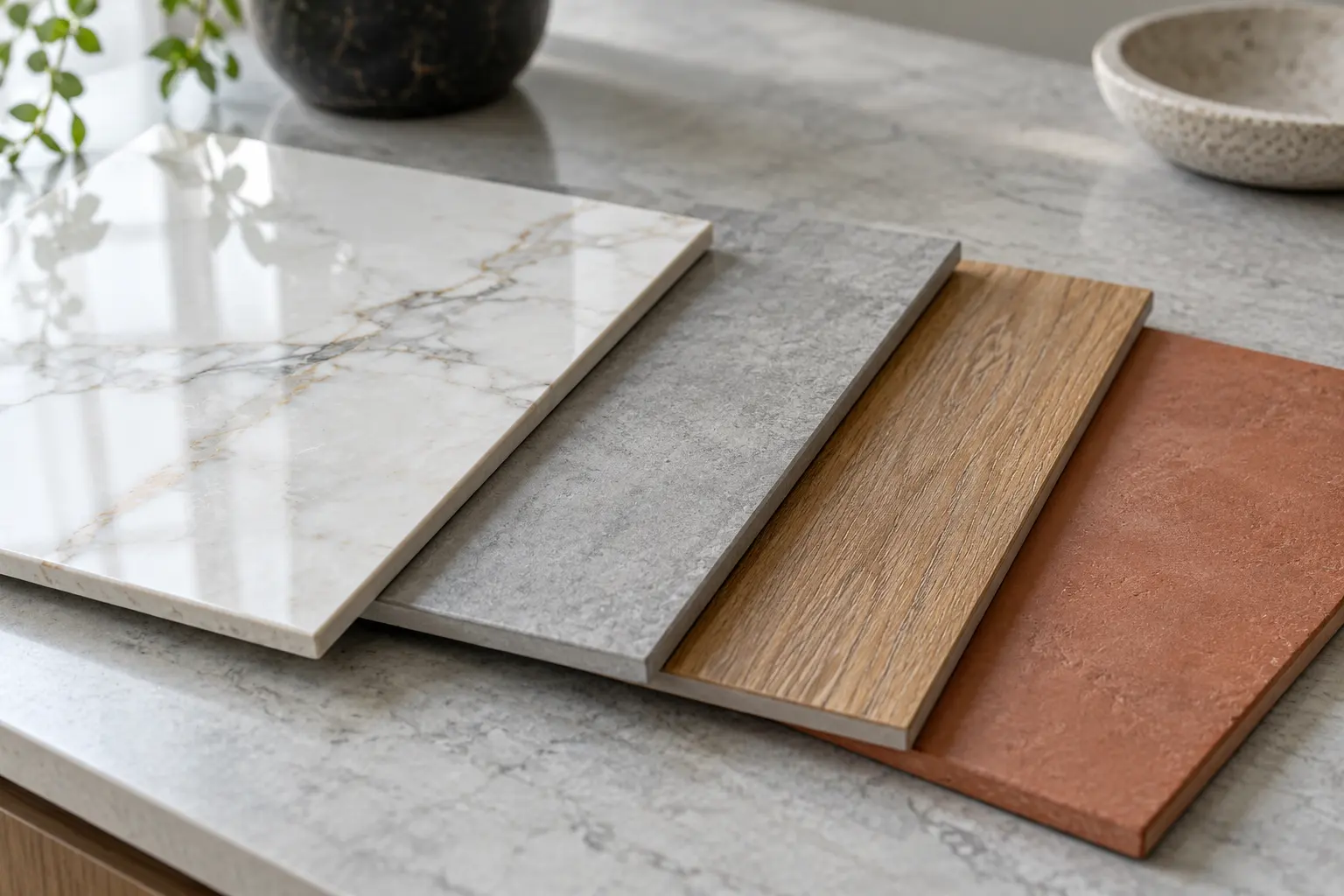
Marble finish tiles copy Statuario, Carrara and onyx on a vitrified body. Compare them with real marble and learn how to choose and lay them.
Highlighter tiles
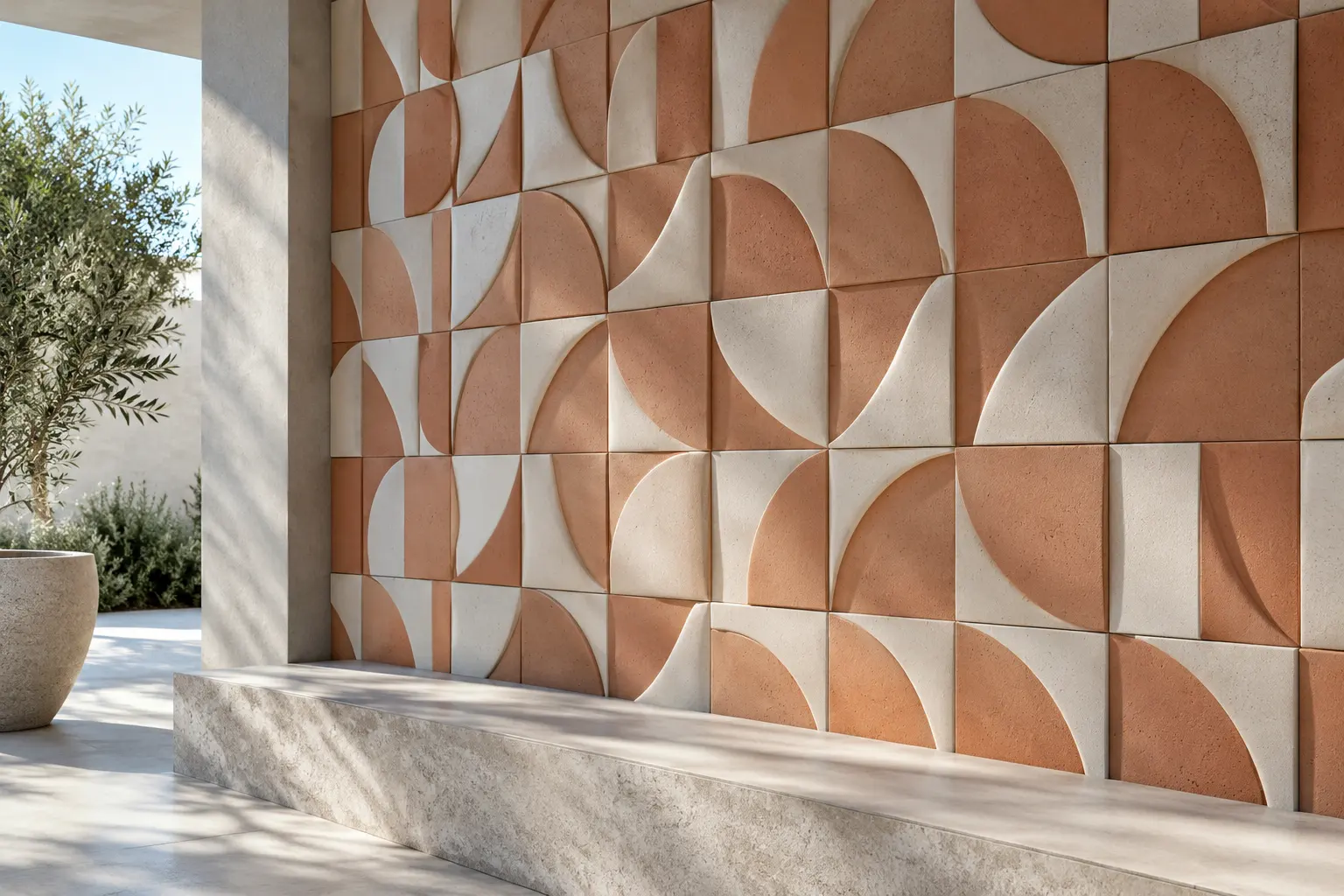
Highlighter tiles add a focal point to bathrooms, kitchens and living room walls. Learn how to use them well, common sizes and how much to use.
See the tiles in person before you decide
Photos never show a tile's true shade or texture. Get in touch to check what is in stock, then walk in and compare.