Room ideas · 4 min read
Kitchen Backsplash Tile Ideas for Indian Kitchens
Subway, mosaic, marble-look and highlighter tiles for the wall behind your stove and sink, with tips on height, grout and easy cleaning for Indian cooking.
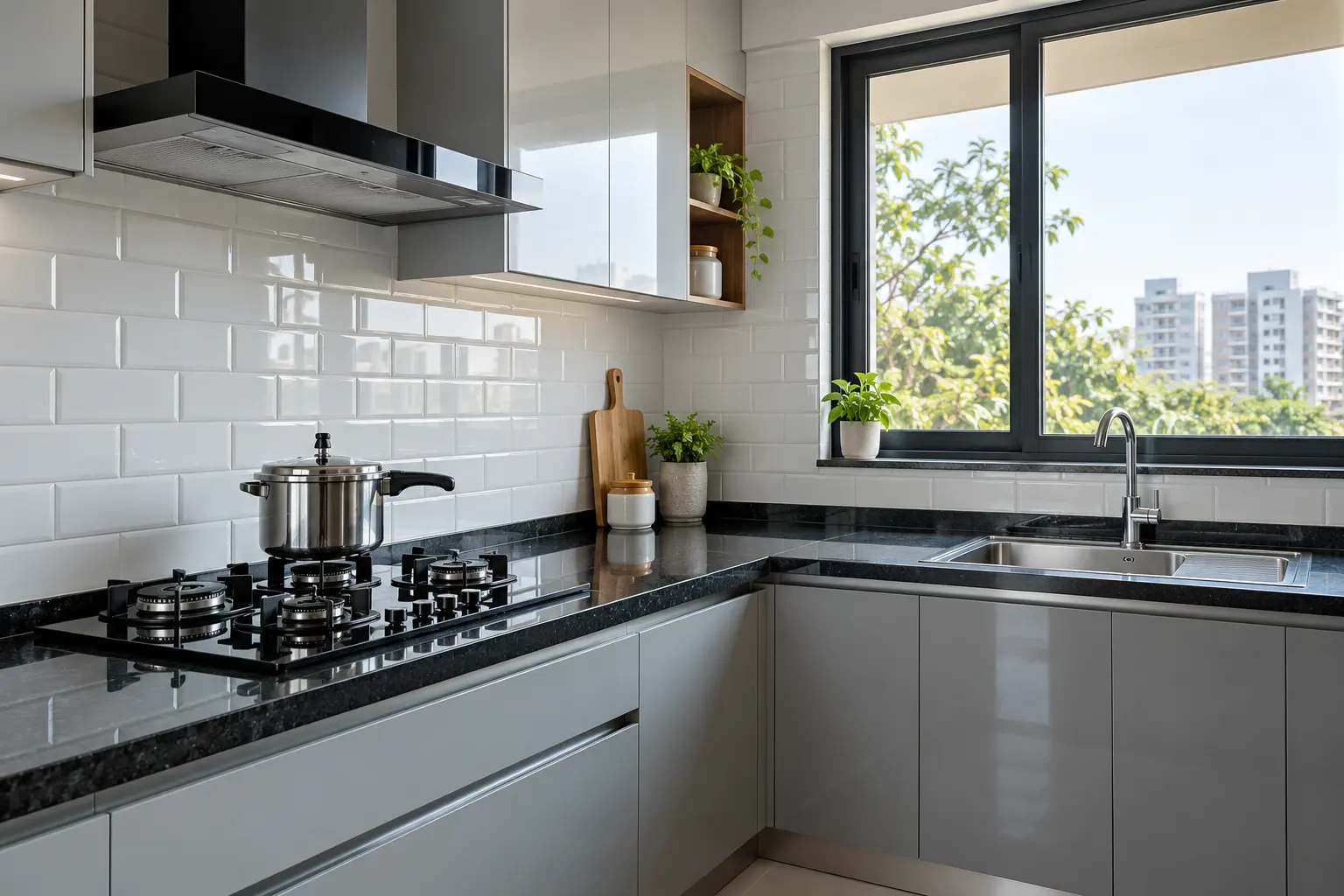
The backsplash is the wall between your kitchen counter and the upper cabinets. In Indian kitchens it takes oil splatter, tadka smoke, haldi stains and steam every day, so it needs to look good and clean easily. Here are practical backsplash ideas, with the pros and cons of each.
What a good backsplash needs
Before looking at designs, keep these requirements in mind:
- Easy to wipe. Glazed surfaces that do not absorb oil.
- Few grout lines behind the stove. Grout collects grease.
- Heat tolerance. Ceramic and vitrified tiles handle stove heat well.
- Colour that hides stains. Pure white shows turmeric, very dark shows oil streaks and water spots.
Our kitchen page covers floors and walls together.
Backsplash ideas
1. Classic subway tiles
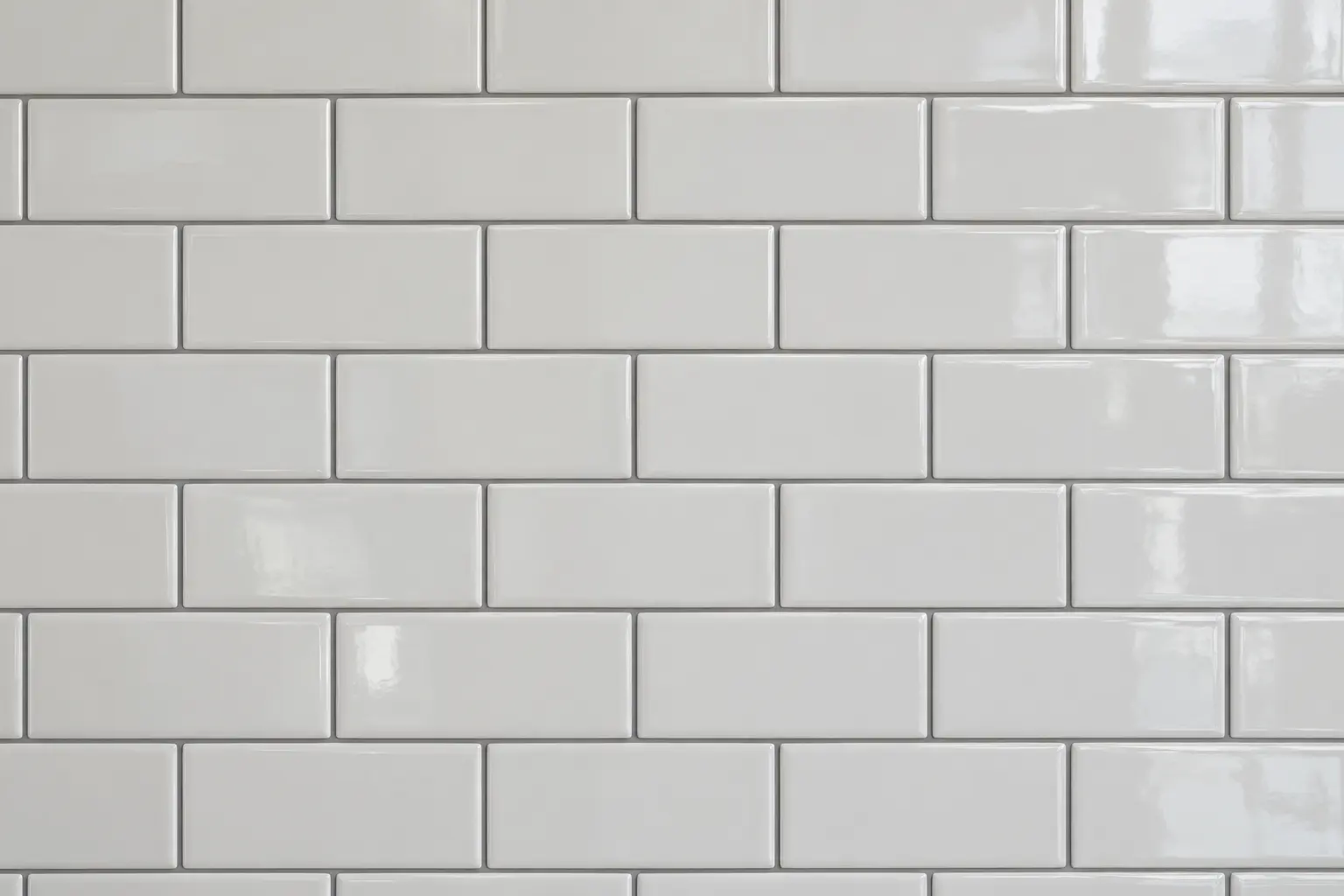
Subway tiles are rectangular wall tiles, often around 75x150 mm or 100x300 mm, laid in a brick pattern. White glossy subway tiles with a black granite counter is a timeless combination. They also come in green, blue, grey and textured handmade looks. For an Indian kitchen, choose a grout that is not pure white, such as light grey, so it does not stain quickly.
Layout options: brick bond, vertical stack, herringbone.
2. Large wall tiles
Tiles like 300x600 mm or even 600x1200 mm vitrified tiles give a near seamless backsplash. Fewer joints mean much easier cleaning. Marble-look or plain light tiles suit modern modular kitchens.
3. Marble-look slabs
A single large marble-look tile, or a few large tiles with continuous veining, gives a premium look behind the stove without the staining risk of real marble. See large format slab tiles.
4. Mosaic strips and panels
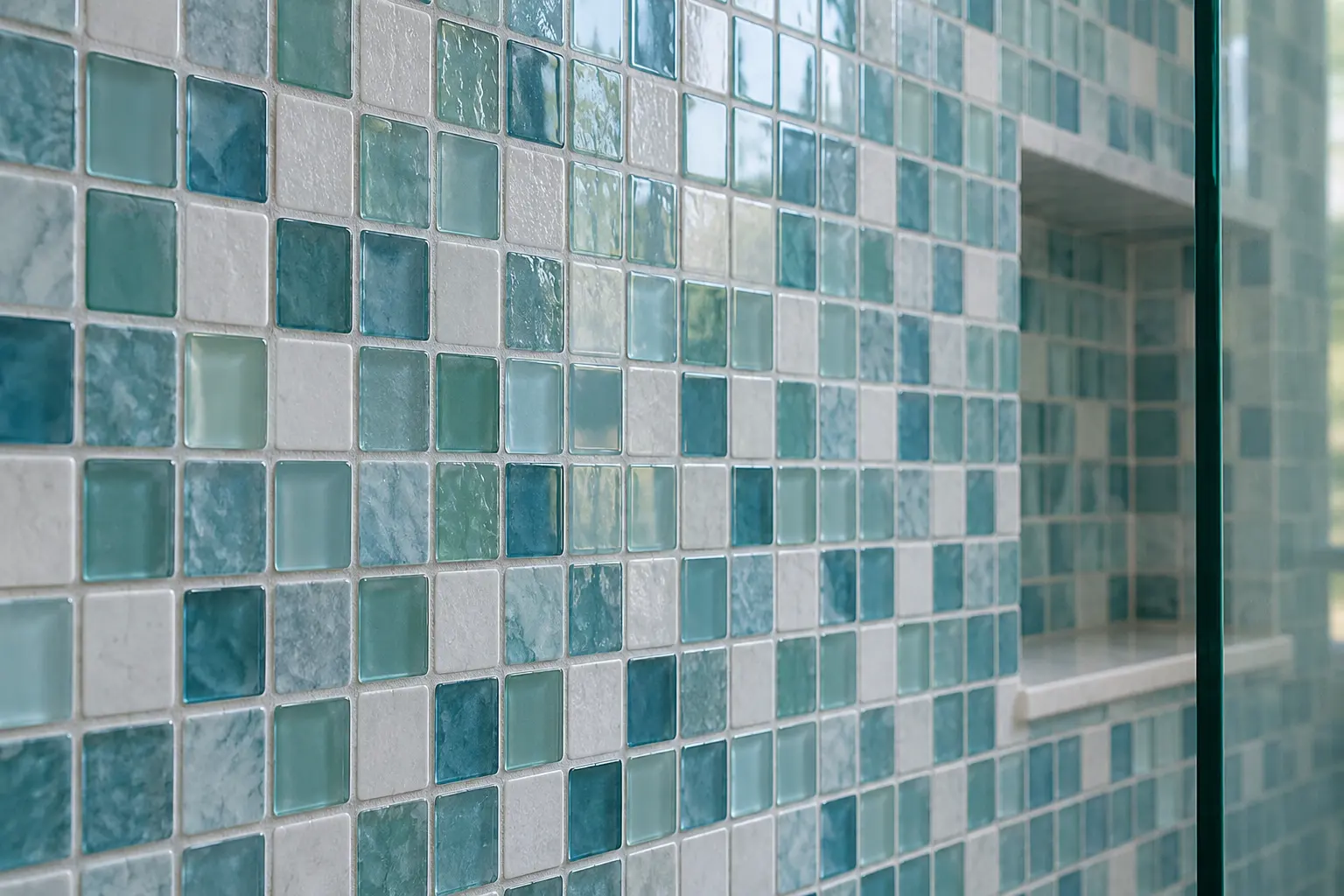
Mosaic tiles add colour and sparkle, but they have many grout joints. Use them as a band at eye level, or behind the sink area rather than directly behind the stove. Epoxy grout makes them much easier to maintain.
5. Highlighter and patterned tiles
Patterned or designer highlighter tiles behind the stove create a focal point. Moroccan, geometric and floral prints work well in otherwise plain kitchens. Keep the rest of the walls simple so it does not get busy.
6. Stone and brick looks
Rustic stone or exposed brick-look tiles suit open kitchens that face the dining area. Pick versions with a smooth glazed surface rather than deep texture, since deep grooves trap grease.
Quick comparison
| Style | Look | Cleaning effort | Best spot |
|---|---|---|---|
| Glossy subway | Classic, clean | Moderate (many joints) | Full backsplash |
| Large wall tiles | Modern, minimal | Easy | Full backsplash, behind stove |
| Marble-look slab | Premium | Easy | Behind stove or full wall |
| Mosaic | Colourful, decorative | Higher | Sink area, accent band |
| Highlighter / pattern | Bold focal point | Moderate | Behind stove, single panel |
| Textured stone / brick | Rustic | Higher | Dining-facing walls, away from stove |
Colour combinations that work
- White tiles + black granite counter. Clean and classic. Use light grey grout.
- Light grey tiles + white or grey counter. Modern and forgiving with stains.
- Beige or cream tiles + brown granite. Warm and traditional.
- Green or blue subway + light wood cabinets. Fresh and a bit different.
- Patterned panel + plain cabinets. Lets the backsplash be the feature.
Practical tips
- Height. Tile from counter to the bottom of upper cabinets. If you have a chimney with no cabinets around it, consider tiling up to the chimney or ceiling behind the hob.
- Plan around sockets. Mark electrical points before tiling so cuts fall neatly.
- Choose grout carefully. Epoxy grout resists oil and stains far better than cement grout in kitchens. Read our grout and spacers guide.
- Finish the edges. Use tile edge profiles or bullnose pieces where tiles end, especially at the sides.
- Glossy is usually easier. On walls, glossy tiles wipe clean more easily than matt or textured surfaces. Slip resistance does not matter on a backsplash.
Cleaning a backsplash
Wipe behind the stove after cooking, while grease is still soft. A cloth with warm water and dish soap handles most splatter. For turmeric stains, a baking soda paste works on most glazed tiles. Our guide on how to clean and maintain tiles has more detail.
See the options
Backsplash tiles are best judged next to your counter sample. Bring a photo of your kitchen, or a piece of your granite or cabinet laminate, and visit the shop to see what wall tiles are currently in stock.
Common questions
How high should a kitchen backsplash be?
Most backsplashes run from the counter to the bottom of the wall cabinets, usually about 2 feet. Without upper cabinets, many people tile up to around 4 feet or to the ceiling behind the stove.
Which backsplash tile is easiest to clean?
Glossy glazed wall tiles with narrow joints are the easiest. Larger tiles mean fewer grout lines, which is where most grease and stains collect.
Is mosaic a good idea behind the stove?
It looks great but has many grout lines, so it needs more cleaning in an Indian kitchen with frequent tadka. Use it in a small strip or behind the sink, or choose epoxy grout.
Can I use floor tiles on the backsplash?
Often yes, if they are not too heavy and are fixed with a suitable adhesive. Many people use the same large vitrified tile on the wall for a clean look.
Keep reading
Kitchen
Kitchen tiles that cope with oil, masala stains and daily mopping: what to use on the floor and backsplash, sizes, finishes and mistakes to avoid.
Subway tiles
Subway tiles are small rectangular wall tiles, a classic for kitchen backsplashes and bathrooms. Learn sizes, laying patterns and grout tips.
Mosaic tiles
Mosaic tiles are small pieces on mesh sheets, used for niches, backsplashes, pools and feature bands. Learn types, uses and how to lay them well.
See the tiles in person before you decide
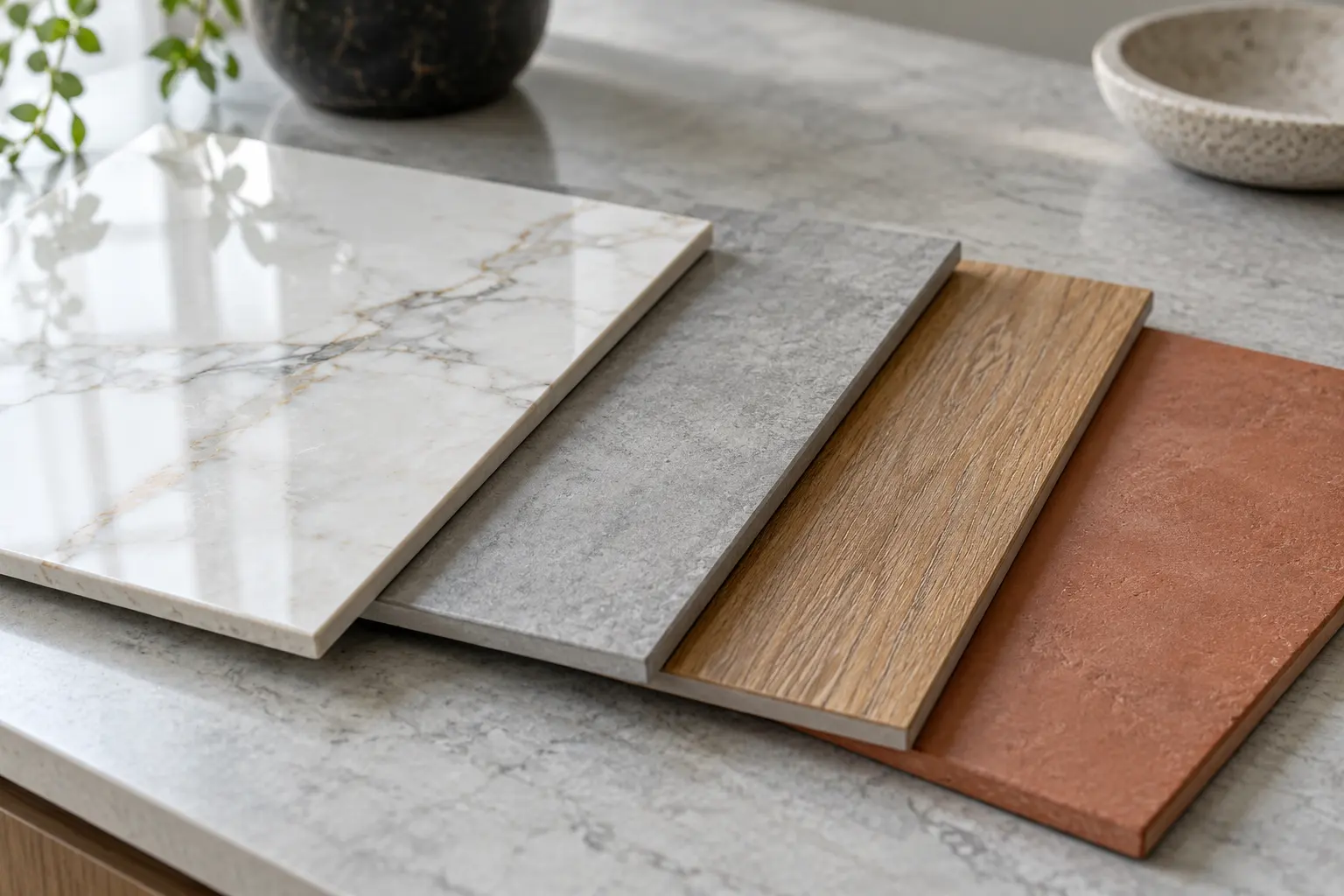
Photos never show a tile's true shade or texture. Get in touch to check what is in stock, then walk in and compare.