Parking Tiles in Bengaluru: Strength, Finish and Sizes
Parking tiles are thicker, textured tiles made for car and bike loads. Learn what to check, common sizes and how to get a parking floor that lasts.
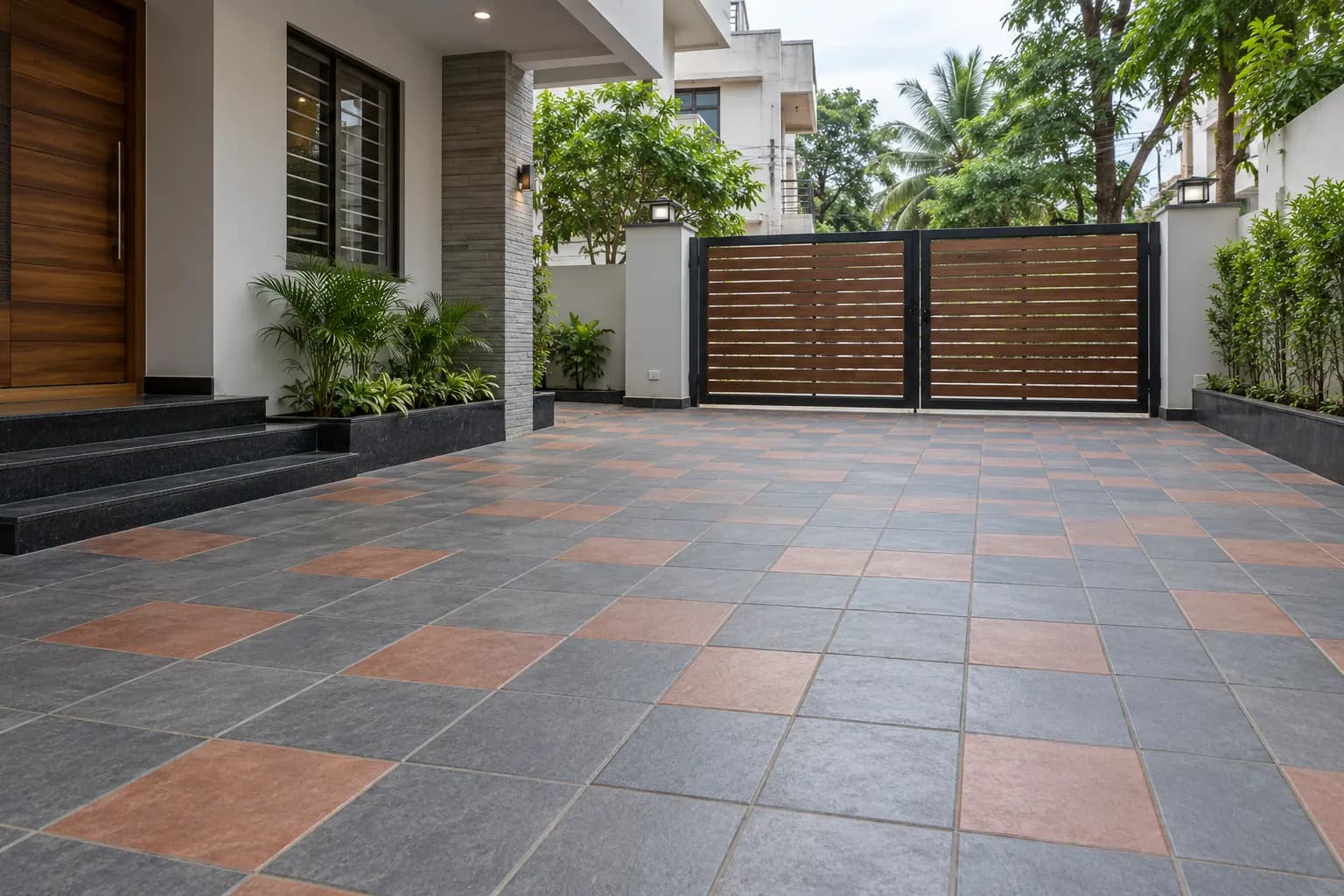
Parking tiles take more abuse than any other floor in a house. Car tyres press down and twist when you turn, grit grinds the surface, oil drips, and Bengaluru rain washes over everything. A normal living room tile will not survive long here. Parking tiles are made thicker, harder and textured for exactly this job.
What parking tiles are
Parking tiles are heavy duty floor tiles designed for vehicle traffic. They are usually vitrified or full body, with a textured or patterned surface for grip, and noticeably thicker than indoor tiles. Many are around 12 mm or more, while heavy duty ranges can be thicker still. Water absorption is typically low, which helps them handle rain and washing.
Common surface patterns include raised dots, stone textures, cobble and brick looks, grooved lines and geometric designs. Colours lean towards grey, terracotta, brown, black and mixed tones that hide tyre marks and dust.
Where they work, and where they don't
Good fit:
- Car and two-wheeler parking in independent houses
- Stilt parking in apartment buildings
- Driveways, gate entrances and ramps
- Service lanes, loading bays and showroom forecourts
Not ideal:
- Indoor rooms. The texture collects dirt and feels rough underfoot
- Large open areas with heavy trucks, which may need concrete paving instead of tiles
- Any area where the concrete base is weak or uneven. Fix the base first
Sizes and finishes commonly available
Parking tiles typically come in 300x300 mm and 400x400 mm, sometimes 500x500 mm or 600x600 mm in heavier ranges. Smaller sizes handle load better because each tile carries less bending stress. Finishes are textured, rustic, matt anti-skid and some designer patterns that form larger motifs when four tiles meet.
How to choose
- Check thickness first. For regular cars, a heavy duty tile of adequate thickness is the starting point. If SUVs park and turn on it daily, go thicker.
- Prefer smaller sizes for turning areas. 300x300 mm or 400x400 mm handles twisting loads better than 600x600 mm.
- Feel the texture. You want grip in rain, but very deep textures hold dirt and are harder to wash.
- Pick a forgiving colour. Mid greys, terracotta and mixed tones hide oil spots and tyre marks.
- Plan the base. The tile is only as good as what is under it. A firm, level concrete bed and full contact under each tile matter most. Avoid hollow spots, which often crack under a tyre.
- Ask for expansion joints. Large outdoor areas in direct sun need movement joints.
- Slope for drainage. Rain water should run off towards a drain, not pool near the gate.
For more detail, read our parking tiles buying guide and the parking room page.
Bring your parking area size
Measure the length and width of your parking area and note whether it is covered or open. Call the shop or visit us, and we will show you parking tiles suited to the space from what is in stock now.
Common questions
Can I use normal floor tiles for car parking?
It is not recommended. Regular floor tiles are thinner and not designed for the point load of car tyres, especially when turning. They tend to crack, chip or get loose.
What thickness should parking tiles be?
Parking tiles are usually thicker than indoor floor tiles, often around 12 mm or more for heavy duty ranges. Check the box and choose thicker tiles for areas with frequent turning or heavy vehicles.
Which size is best for parking tiles?
Smaller sizes like 300x300 mm and 400x400 mm spread load better and are less likely to crack than large tiles. They also follow driveway slopes more easily.
Why do parking tiles crack even when they are thick?
Most cracks come from the base, not the tile. Hollow spots under the tile, a weak or unlevelled concrete bed, or no expansion joints will crack even a strong tile.
Keep reading
Parking
What to look for in parking tiles for Bengaluru houses: thickness, strength, grip, oil stain resistance, base preparation and common mistakes.
Parking Tiles Buying Guide: Thickness, Finish and Laying Tips
Choosing tiles for a car parking or driveway? Learn what thickness, surface grip, colour and base preparation you need so the floor lasts for years.
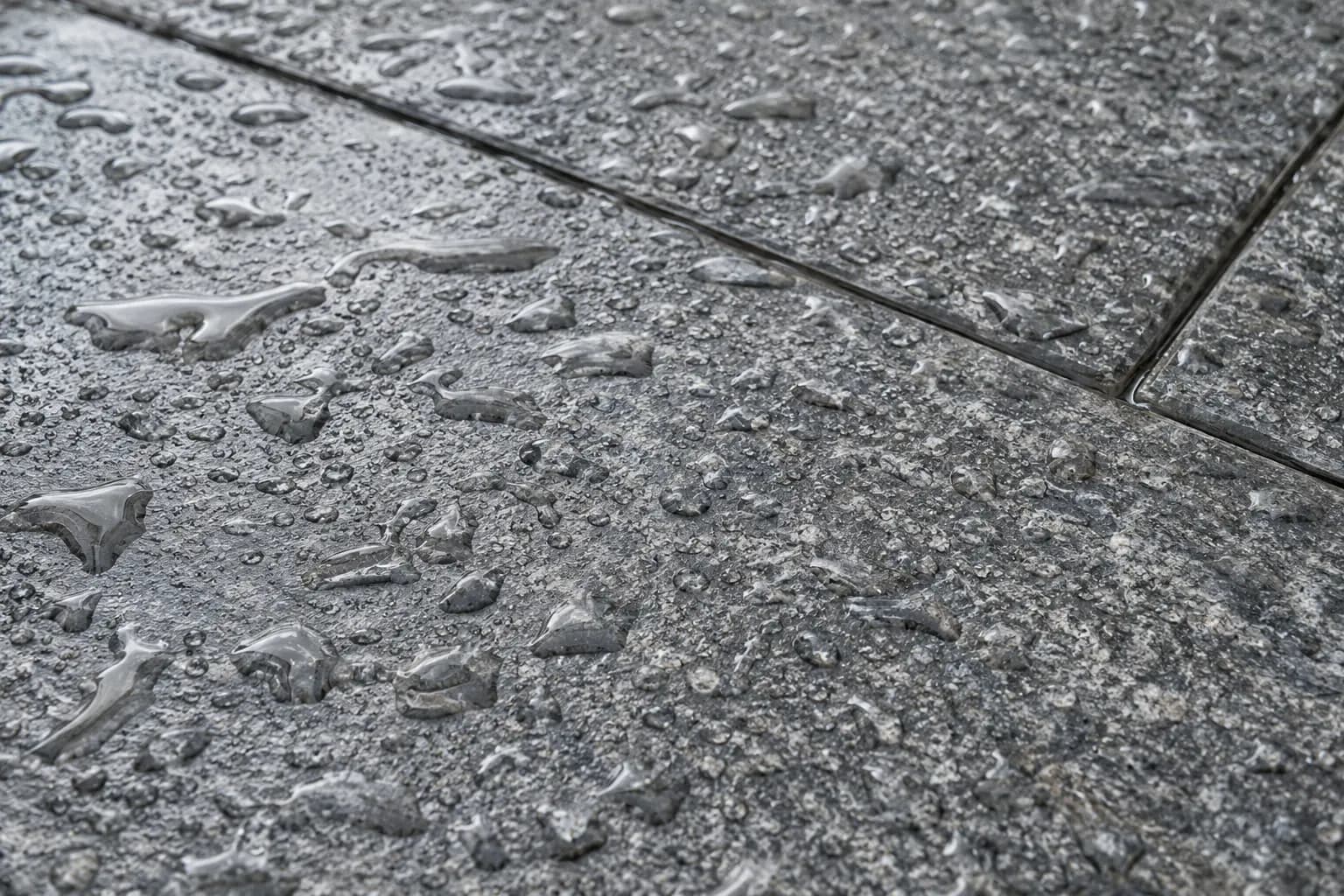
Anti-skid tiles
Anti-skid tiles give better grip on bathroom, balcony and outdoor floors. Learn how slip ratings work, common sizes and how to pick the right one.
See the tiles in person before you decide
Photos never show a tile's true shade or texture. Get in touch to check what is in stock, then walk in and compare.