Indian Toilets (Orissa Pan): Sizes, Sunk Floor and Fitting Tips
Indian squat toilets (Orissa pan) explained: 20 and 23 inch sizes, sunk floor depth, the trap below, footrests, anti-skid tiles and easy cleaning.
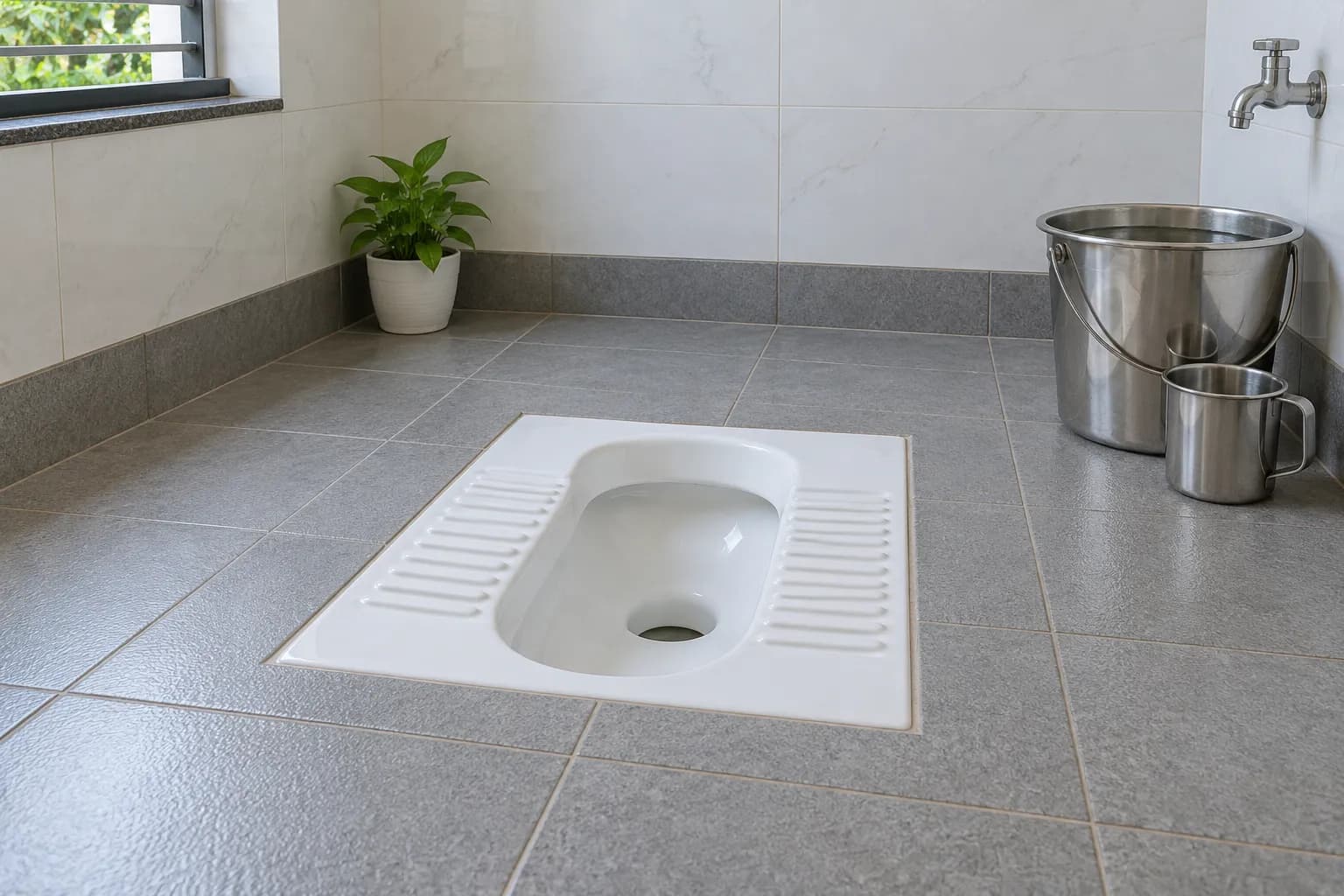
The Indian squat toilet, which most shops call an Orissa pan, is still a regular choice in Bengaluru homes. It is simple, hard-wearing and easy to wash down with a bucket of water. Many families who have western toilets in the bedrooms still want one Indian toilet somewhere in the house.
Why families still choose one
- Habit and comfort. Older family members and many others are simply more comfortable squatting.
- Health reasons. Many people believe squatting is a more natural position for the body, and prefer it for that reason.
- No contact with a seat. For a common toilet used by guests, visitors or workers, a squat pan avoids shared seat contact.
- Durability. With no seat, hinges or cistern on the pan itself, there is less to break. This is why it is often used in outdoor toilets, staff or servants' toilets, and toilets near the parking or garden.
Sizes
Pans are usually sold by approximate length in inches. Exact sizes vary by manufacturer.
| Common name | Approx. size (L x W) | Good for |
|---|---|---|
| 20 inch | about 510 x 410 mm | Compact toilets, outdoor toilets |
| 23 inch | about 580 x 440 mm | Main or common toilets, more foot room |
Pan heights usually range from about 150 mm to 300 mm. This height decides how deep the floor must be sunk, so check it before the civil work is done.
Sunk floor and the trap below
Unlike a western toilet, an Indian pan sits into the floor, with its rim at or just above the finished tile level. To make this possible:
- The floor slab must be sunk below the toilet area. The depth depends on the pan height plus the trap that goes beneath it. Your mason or plumber will need the exact pan and trap you plan to use.
- A separate trap (usually P or S type) is fixed under the pan outlet to hold water and block smells. It connects to the drain line, so the trap type must match where the drain runs.
- The sunk area is filled and waterproofed after the pan and trap are set, then tiled to finish level.
Getting this right at the start saves a lot of trouble. Retrofitting an Indian pan into a flat floor means breaking the slab. If you are unsure whether your drain goes into the floor or the wall, our western toilets page explains S trap and P trap in detail.
Footrests and tiles around the pan
Most pans come with raised, ribbed footrests moulded in. Some are fitted as separate footrest pieces. They help the user stand in the right place and give grip.
The floor around the pan gets wet with every use. Use anti-skid tiles with a matt or textured surface, and give the floor a gentle slope toward the pan or a floor drain. A 300x300 mm tile is easy to slope and cut around the pan. Our anti-skid tiles explained guide covers how much grip to look for.
Mixing Indian and western toilets
A common layout in independent houses is:
- Western toilet or one-piece toilet in the master and children's bathrooms.
- An Indian toilet in the common bathroom, the ground-floor toilet used by elders, or an outdoor toilet.
This way every family member has an option they are comfortable with.
Cleaning
The glazed surface of the pan wipes clean easily. Pour water after use, brush the inside with a long-handled toilet brush, and use a mild cleaner for scale. Avoid strong acid cleaners regularly, as they can dull the glaze and attack the grout around the pan.
Plan the floor first
Decide your pan size before the floor is cast so the sunk depth is right. Contact the shop to ask which Indian toilet sizes are in stock and see them in person.
Common questions
What is an Orissa pan?
Orissa pan is the common shop name for the Indian squat toilet pan, the ceramic pan set into the floor with raised footrests on either side.
Which size Indian toilet should I buy, 20 inch or 23 inch?
The 20 inch (about 510x410 mm) pan suits compact toilets, while the 23 inch (about 580x440 mm) pan gives more room and is more comfortable for adults. Choose based on the toilet's floor space and who will use it.
Does an Indian toilet need a sunk floor?
Yes. The pan sits at or just above floor level, so the floor slab must be sunk to make room for the pan and the trap below it. This has to be planned before the floor is cast or finished.
Can I have both an Indian and a western toilet in the same house?
Yes, and many families do. A common plan is a western toilet in the attached bathroom and an Indian toilet in the common or outdoor toilet.
Keep reading
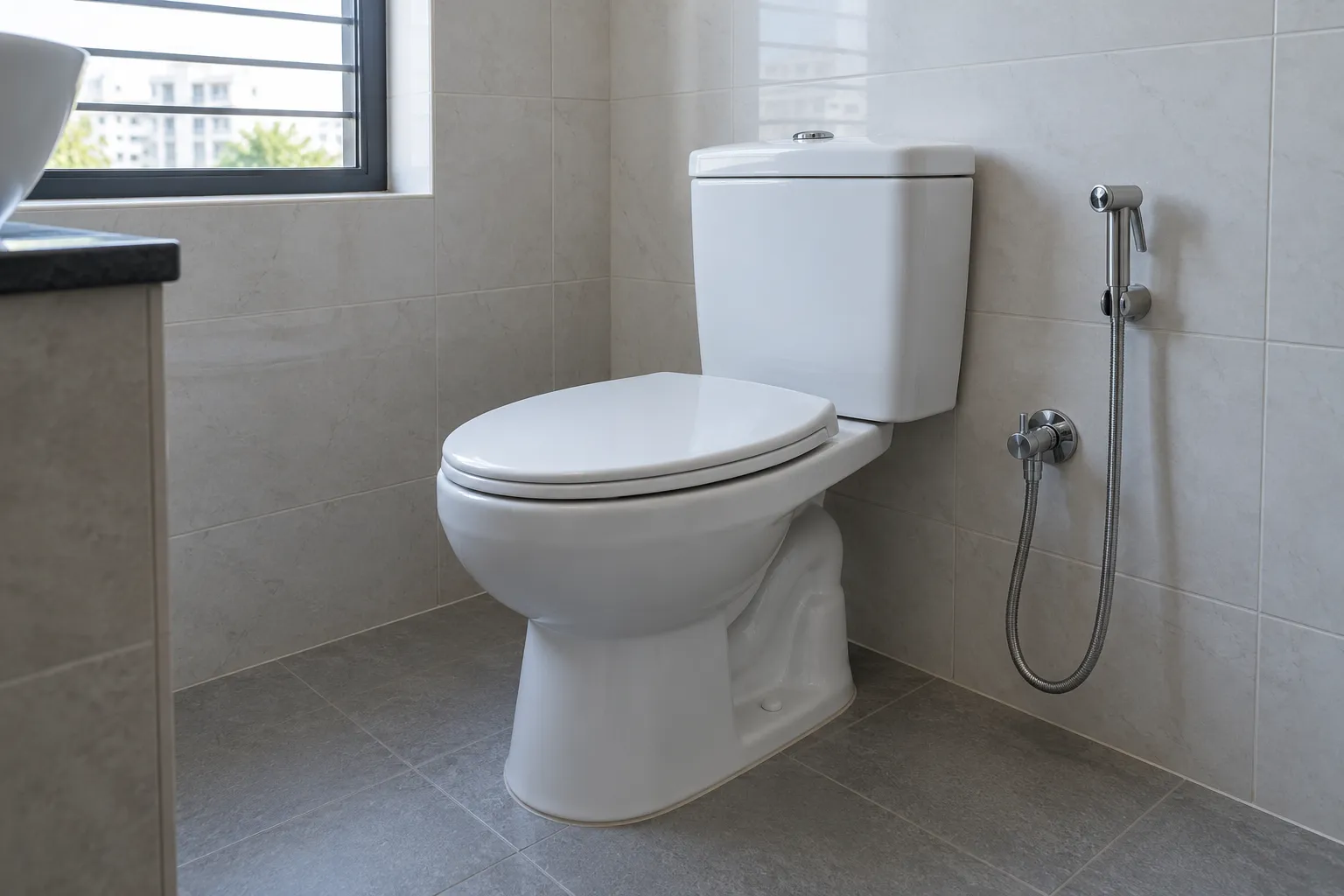
Western toilets (EWC)
A practical guide to EWC western toilets: S trap vs P trap, how to check yours, couple closets, concealed cisterns, seat height and health faucets.
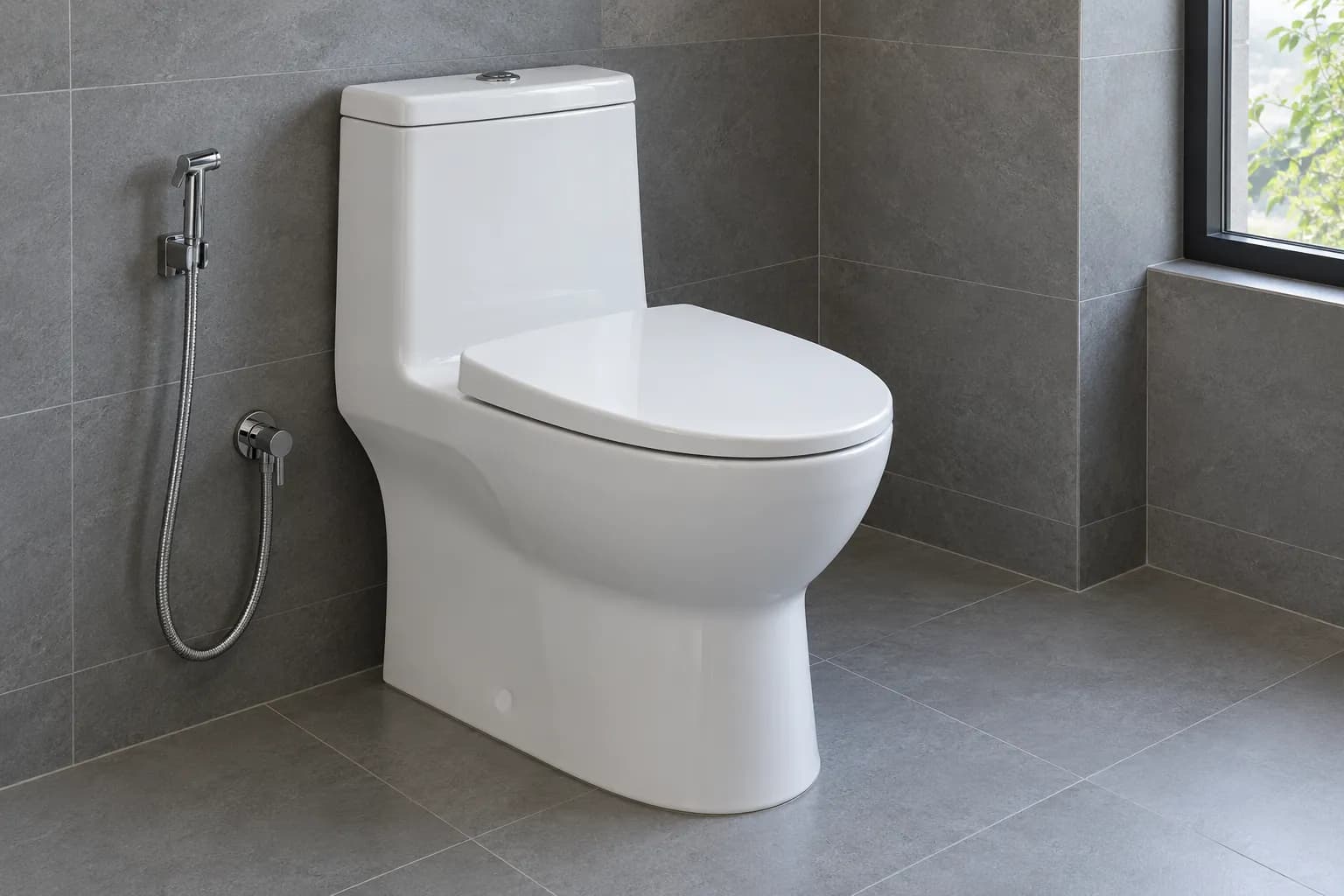
One-piece toilets
One-piece western toilets explained: what one-piece means, typical sizes, rimless bowls, soft-close seats, rough-in and the space you need.

Anti-skid tiles
Anti-skid tiles give better grip on bathroom, balcony and outdoor floors. Learn how slip ratings work, common sizes and how to pick the right one.
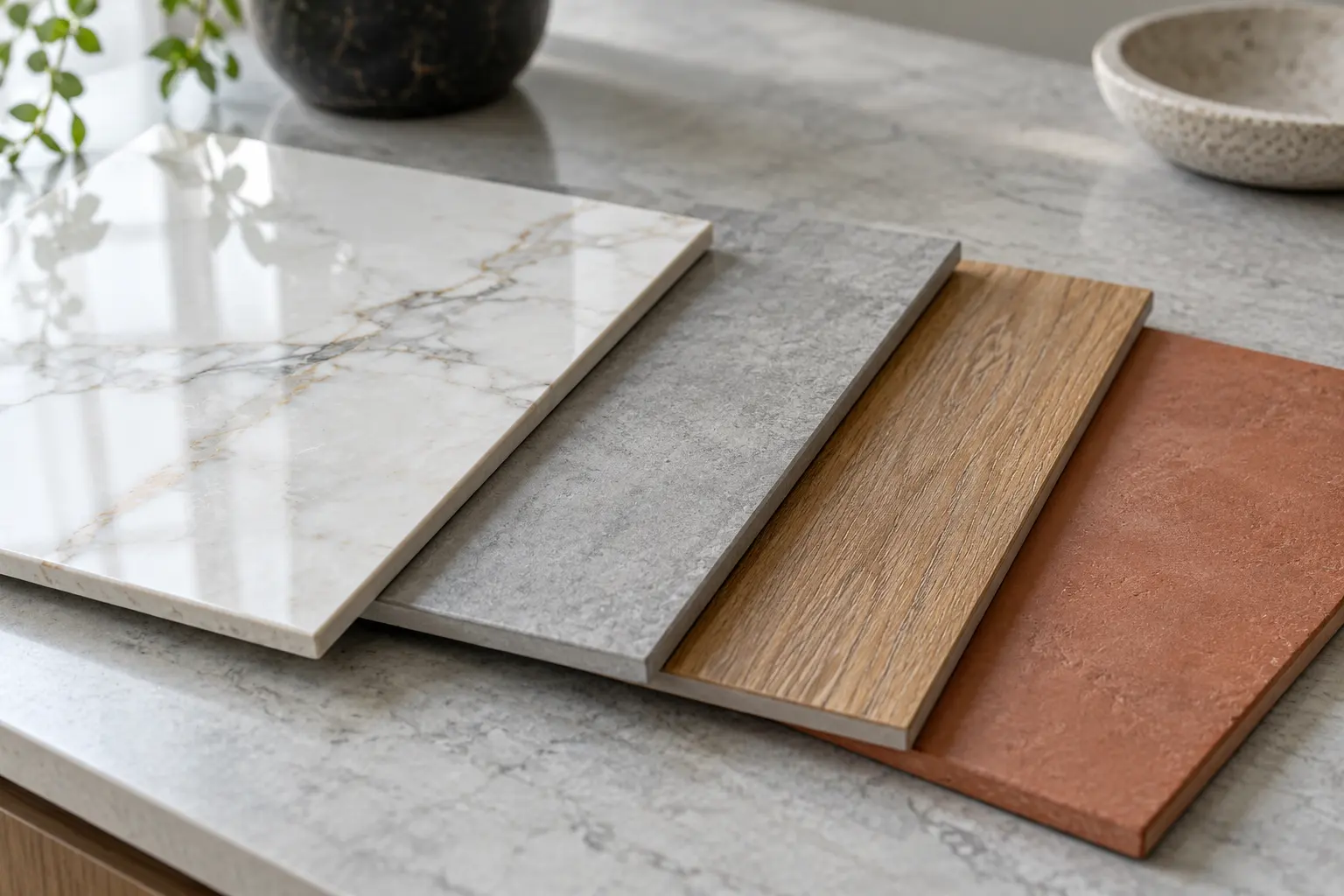
See the tiles in person before you decide
Photos never show a tile's true shade or texture. Get in touch to check what is in stock, then walk in and compare.