Installation · 5 min read
Grout and Tile Spacers Guide: Joint Sizes, Types and Tips
Cement or epoxy grout? What spacer size to use? A clear guide to tile joints, grout types, colours, levelling clips and keeping grout clean.
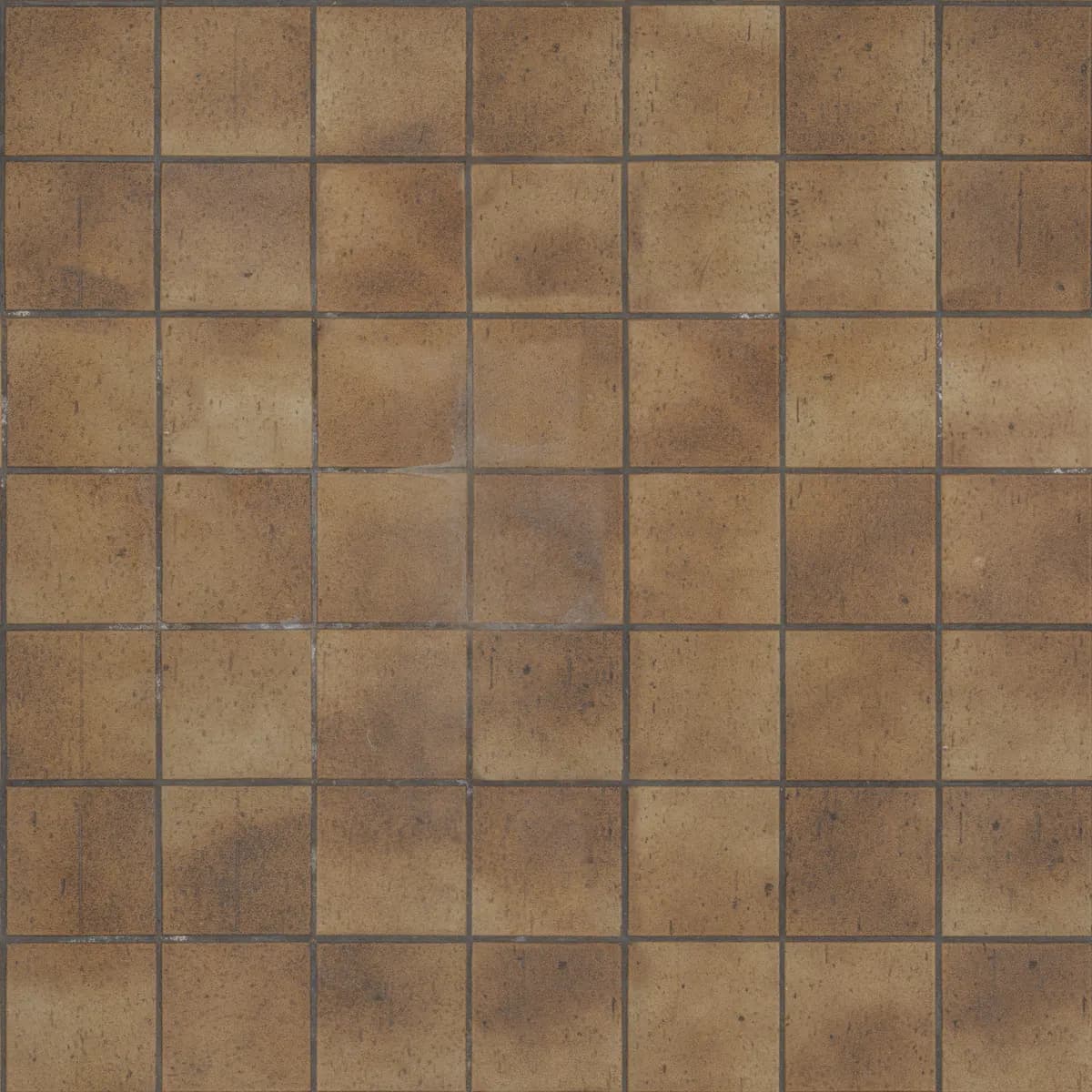
Grout and spacers are small items that make a big difference to how a tiled floor looks and lasts. Spacers keep the joints even while tiles are laid. Grout fills those joints, locks the tiles together and keeps water and dirt out. Get these right and even a simple tile looks neat for years.
Why tiles need joints
It is tempting to ask for tiles to be laid edge to edge with no gap. It is not a good idea:
- Tiles and the floor underneath expand and contract slightly with heat and moisture.
- Buildings settle and move a little over time.
- No two tiles are exactly the same size, even rectified ones.
A small joint absorbs this movement. Without it, tiles can press against each other and lift (tenting) or crack. Larger floors also need movement joints at intervals and at the edges along walls, which your contractor should plan.
Spacers: choosing the size
Spacers are small plastic crosses, T-shapes or wedges placed between tiles while they set. Common sizes are 1, 1.5, 2, 3, 5 mm and more.
| Tile type | Typical joint width |
|---|---|
| Rectified vitrified tiles (indoor) | 2 mm |
| Non-rectified vitrified or ceramic floor tiles | 3 mm |
| Ceramic wall tiles | 2 to 3 mm |
| Large format (800x1600 mm and above) | 2 to 3 mm, with levelling clips |
| Outdoor, parking and rustic tiles | 5 mm or more |
| Mosaic sheets | Set by the sheet |
These are typical values. Some manufacturers specify a minimum joint for their tiles, so check the box. A slightly wider joint is better than one too narrow.
Levelling clips and wedges
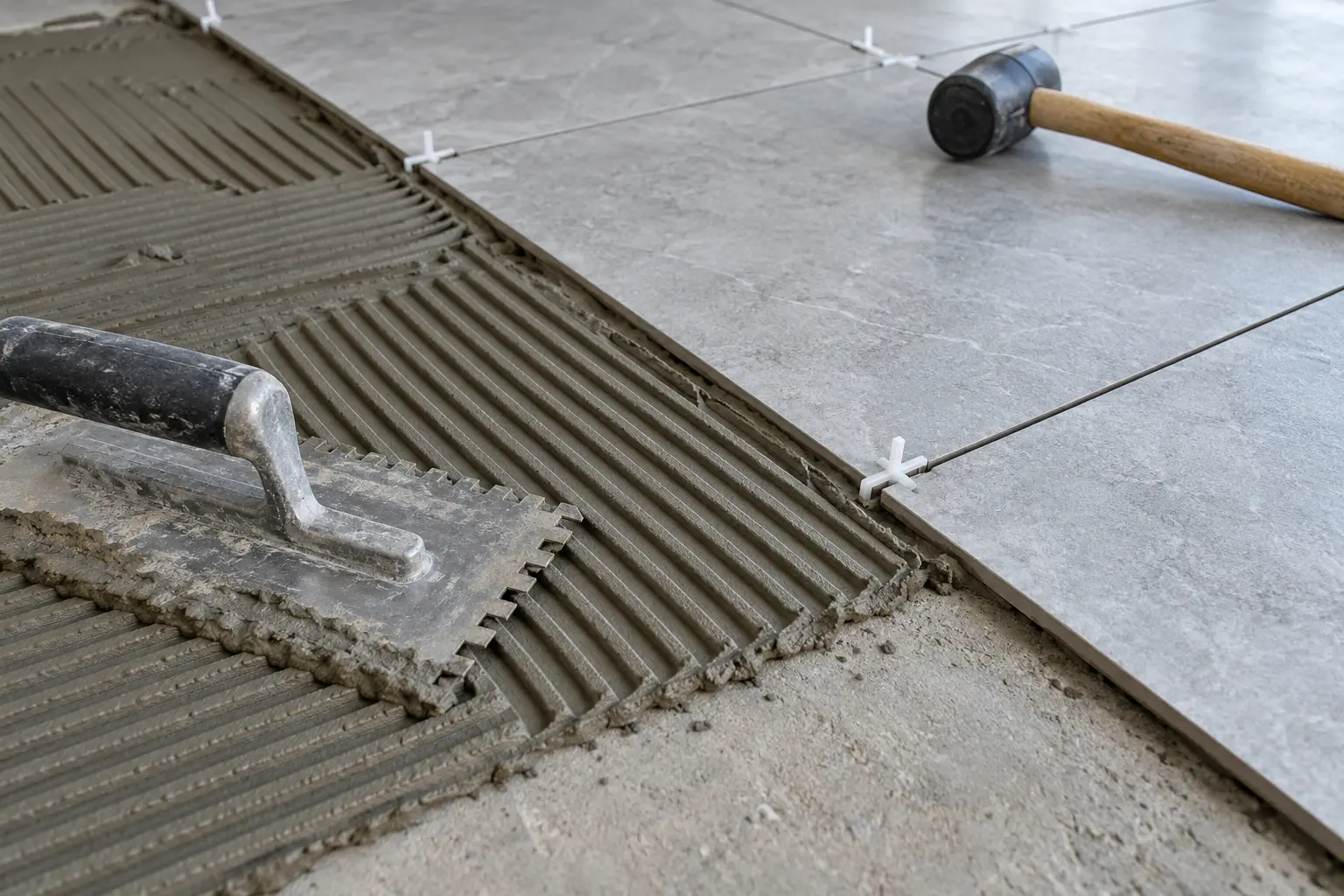
For large format tiles, levelling systems (clips with wedges or caps) hold neighbouring tile edges at the same height while the adhesive sets. This reduces lippage, where one tile edge sits higher than the next. They are removed after the adhesive sets. Read more in large format tiles pros and cons.
Grout types
| Grout type | What it is | Best for | Things to know |
|---|---|---|---|
| Cement grout (unsanded) | Fine cement-based powder | Narrow joints up to about 3 mm, walls | Economical, porous, can stain |
| Cement grout (sanded) | Cement with fine sand | Wider joints, floors, outdoors | Stronger in wide joints |
| Polymer-modified cement grout | Cement grout with additives | General floors and walls | Better stain and crack resistance |
| Epoxy grout | Two or three part resin system | Bathrooms, kitchens, wet areas | Waterproof, stain resistant, harder to apply |
Cement grout
The traditional choice. It is easy to apply and economical. The downside is that it is porous, so it absorbs water and stains over time, especially in bathrooms and kitchens. A grout sealer can help.
Epoxy grout
Epoxy grout is made of resin and hardener. Once cured, it is non-porous, so water, oil and stains stay on the surface and wipe off. It also resists fungus. It is the better choice for:
- Shower areas and bathroom floors.
- Kitchen counters, backsplash and floors.
- Swimming pool surrounds and commercial kitchens.
It costs more, sets quickly and must be cleaned off the tile face before it hardens, so it needs a careful, experienced hand.
Choosing grout colour
- Matching colour: grout close to the tile colour makes joints disappear and the floor look continuous. Good for marble-look and large format tiles.
- Contrasting colour: shows the pattern, for example dark grout with white subway tiles.
- Mid-tones (grey, beige) hide dirt better than pure white on floors.
White cement grout on a busy floor will darken over time. If you want a light floor, consider epoxy or a light grey grout.
Grouting tips for good results
- Wait for the adhesive or mortar to set before grouting, as per the product instructions.
- Clean joints of dust and excess adhesive first.
- Press grout fully into the joint with a rubber float, working diagonally across the tiles.
- Wipe off the excess with a damp sponge before it hardens. Dried grout haze is hard to remove later.
- Keep the area free of foot traffic for the time the product recommends.
Looking after grout
- Sweep regularly so grit does not wear the joints.
- Mop with a neutral cleaner. Strong acids can eat into cement grout.
- In bathrooms, wipe down after use and keep the room ventilated to limit fungus.
- Re-grout cracked or crumbling joints early, before water gets under the tiles.
Our cleaning and maintenance guide has more care tips.
Quick summary
| Area | Joint | Grout |
|---|---|---|
| Living room, bedroom (rectified vitrified) | 2 mm | Cement or polymer-modified, matching colour |
| Bathroom floor and walls | 2 to 3 mm | Epoxy preferred |
| Kitchen backsplash and floor | 2 to 3 mm | Epoxy preferred |
| Balcony and outdoor | 3 to 5 mm | Sanded or polymer-modified cement, or epoxy |
| Parking | 5 mm or more | Sanded cement grout |
Get it right from the start
When you choose your tiles at Patidar Ceramic, ask us about suitable joint widths and grout colours for that tile. Call or visit to check what spacers and grout are currently available.
Common questions
What spacer size should I use for floor tiles?
For rectified vitrified tiles, 2 mm spacers are common. Non-rectified tiles usually need 3 mm or more, and outdoor or rustic tiles often use 5 mm or wider joints.
Is epoxy grout better than cement grout?
Epoxy grout resists water, stains and fungus much better, so it suits bathrooms, kitchens and wet areas. Cement grout costs less and is fine for dry floors like bedrooms and living rooms.
Can tiles be laid without any gap?
It is not recommended. Tiles expand and contract slightly with temperature and moisture, and the building moves a little too. Without a joint, tiles can lift or crack.
When can I walk on a freshly grouted floor?
It depends on the product, so follow the bag instructions. Many cement grouts allow light foot traffic after about a day, while full curing takes longer.
Keep reading
Tile Adhesive vs Cement Mortar: Which Is Better for Your Tiles?
Tile adhesive or traditional cement mortar? Compare bond strength, bed thickness, suitable tiles and surfaces, and when each method makes sense.
How to Clean and Maintain Tiles: A Practical Home Guide
Simple daily, weekly and deep cleaning routines for floor and wall tiles, plus how to handle grout stains, hard water marks and what cleaners to avoid.
How to Choose Bathroom Tiles: Floor, Wall and Size Guide
A practical guide to bathroom tiles: anti-skid floors, easy-clean walls, the right sizes for small bathrooms, grout choice and mistakes to avoid.
See the tiles in person before you decide
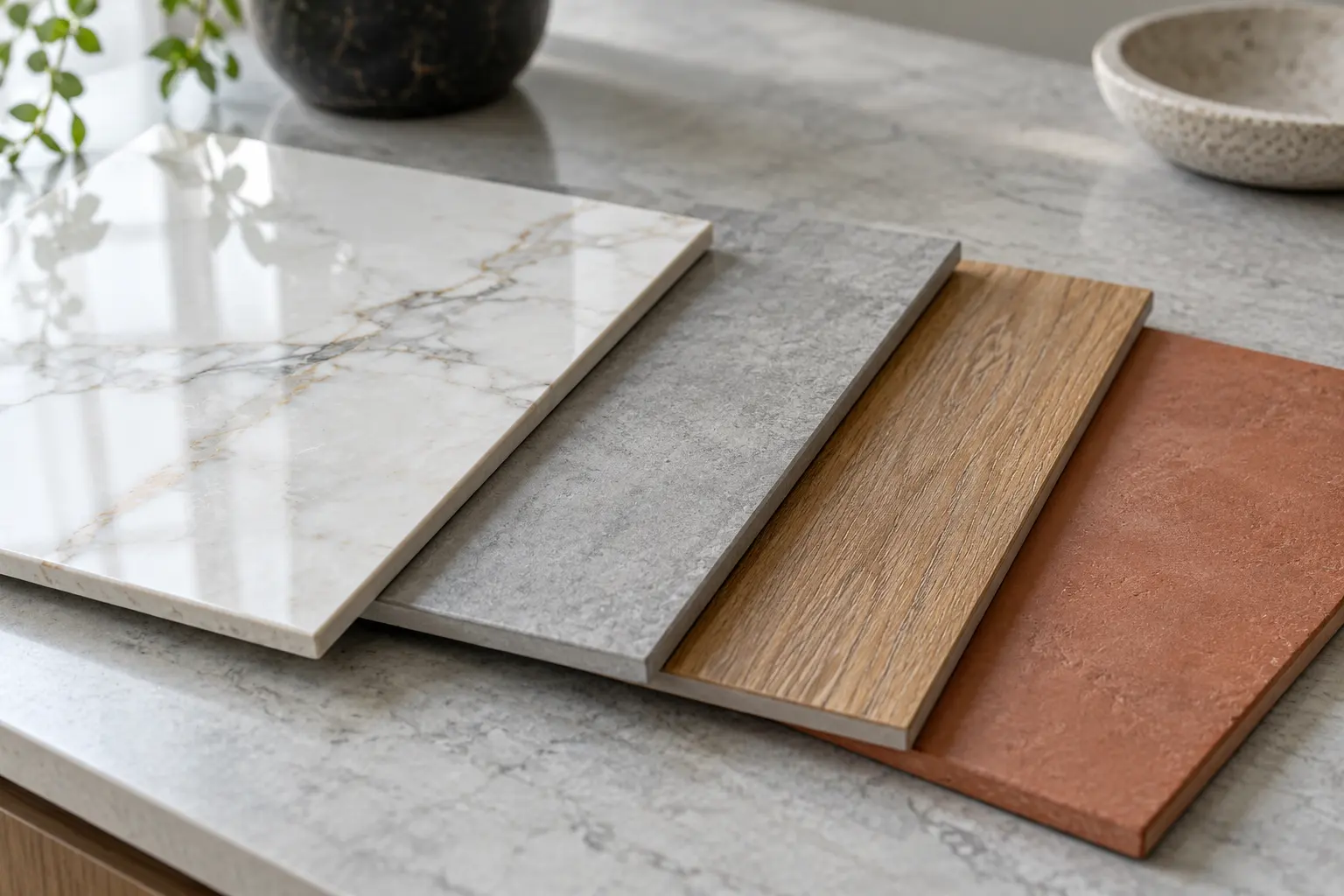
Photos never show a tile's true shade or texture. Get in touch to check what is in stock, then walk in and compare.