Care & maintenance · 5 min read
How to Clean and Maintain Tiles: A Practical Home Guide
Simple daily, weekly and deep cleaning routines for floor and wall tiles, plus how to handle grout stains, hard water marks and what cleaners to avoid.
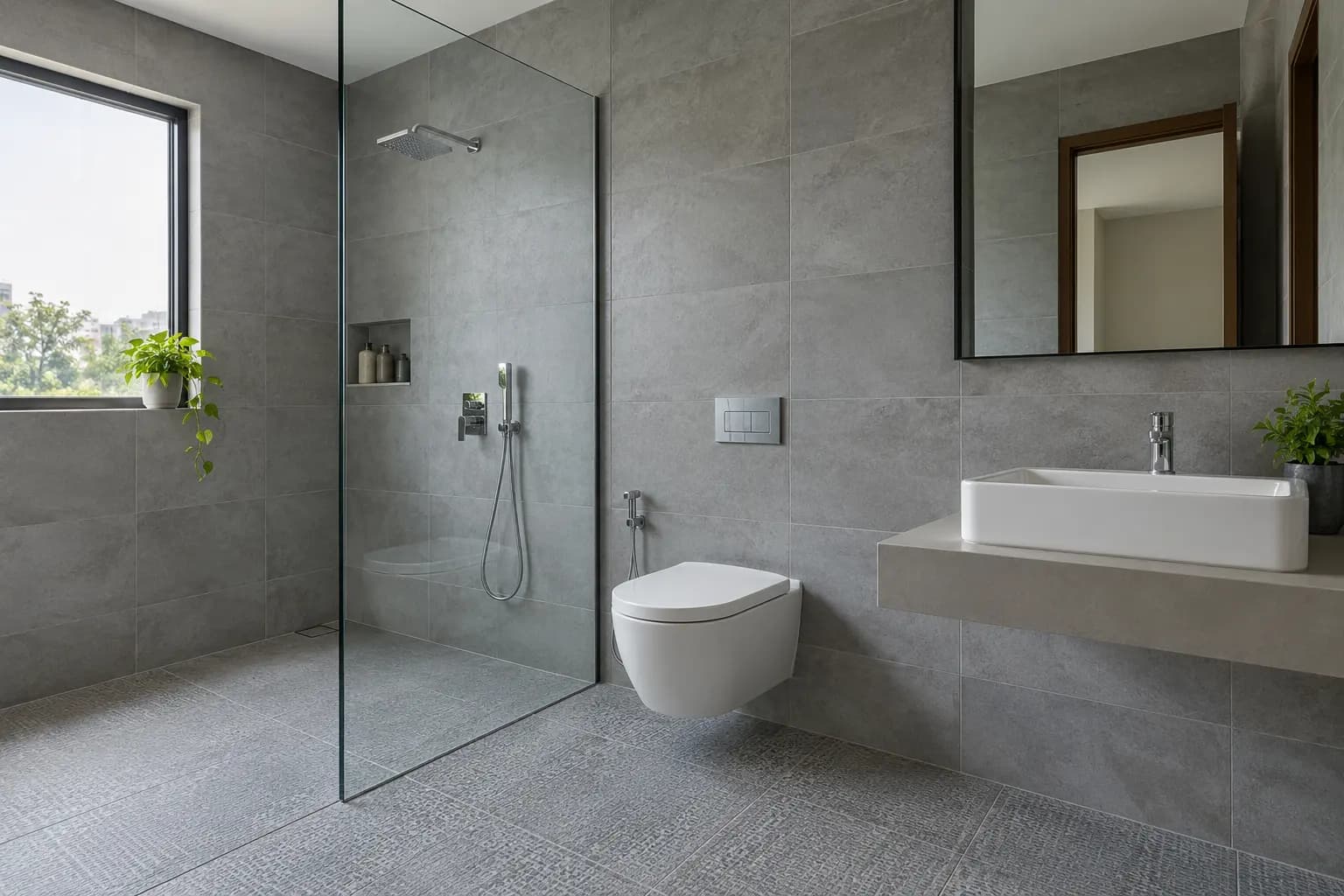
Good tiles can last for decades, but how they look over the years depends a lot on how you clean them. The good news is that tiles are among the easiest surfaces to maintain. A simple routine and the right cleaners will keep floors and walls looking fresh, while the wrong chemicals can slowly dull them. Here is a practical guide for Indian homes.
Daily and weekly routine
Bengaluru homes collect a lot of fine dust, especially near main roads and construction sites. Grit is the main enemy of tile shine because it scratches the surface under your feet.
Daily
- Sweep or vacuum to remove dust and grit.
- Mop with plain water or water with a few drops of a mild, pH neutral floor cleaner.
- Wipe spills straight away, especially oil, tea, haldi and coloured liquids.
Weekly
- Mop with a proper floor cleaner diluted as per the label.
- Wipe kitchen backsplash and bathroom walls.
- Rinse with clean water after using a cleaner, so no residue film is left behind.
A doormat at every entrance cuts down the grit coming in, and felt pads under furniture legs prevent scratches.
Cleaning by finish
Different tile surfaces need slightly different care.
| Finish | Daily care | Watch out for |
|---|---|---|
| Glossy / polished | Soft mop, mild cleaner | Footprints and streaks, avoid abrasive powders |
| Matt | Mop, occasional soft brush | Dirt sitting in the texture |
| Anti-skid / textured | Stiff brush and cleaner weekly | Moss and grime in outdoor areas |
| Wooden-finish | Mop along the plank direction | Dirt in the grain texture |
| Wall tiles (glazed) | Wipe with damp cloth | Soap scum, hard water marks |
Read more about finishes in our matt vs glossy tiles guide.
Bathroom tiles
Bathrooms see soap, shampoo and hard water every day. Borewell and tanker water in many parts of Bengaluru is hard, which leaves white mineral spots.
- After a shower, a quick squeegee on wall tiles stops water spots forming.
- Once a week, use a bathroom cleaner suited to tiles and scrub gently with a soft brush.
- For hard water marks, a diluted vinegar solution or a mild descaler usually helps. Rinse well afterwards.
- Keep the bathroom ventilated so grout does not develop black mould.
For bathroom anti-skid floor tiles, use a brush rather than just a mop, as soap residue can sit in the texture and reduce grip over time.
Kitchen tiles
Kitchen tiles fight oil and spice stains.
- Wipe the backsplash behind the stove after cooking, while the grease is still soft.
- Use warm water with dishwash liquid or a degreaser for oily patches.
- For turmeric stains on light tiles, a paste of baking soda and water left for a few minutes often lifts the colour. Rinse well.
- Never scrape with steel scrubbers on glossy tiles.
Grout care
Grout is usually the first thing to look dirty. Cement grout is porous and absorbs stains.
- Scrub grout lines with an old toothbrush or grout brush and a mild cleaner every few weeks.
- For stubborn stains, use a paste of baking soda and water, or a cleaner made for grout.
- Seal cement grout after it has cured and re-seal periodically as the sealer product suggests.
- Consider epoxy grout in wet areas when tiling. It resists stains and water much better. Our grout and spacers guide explains the options.
Outdoor tiles
Parking, balcony and terrace tiles face rain, sun and moss.
- Sweep regularly to stop leaves and soil from staining.
- After the monsoon, scrub with a stiff brush and suitable cleaner to remove green moss and algae from shaded areas.
- Make sure drains and slopes are clear so water does not stand on tiles.
- Oil drips from vehicles in parking areas should be wiped quickly and cleaned with a degreaser.
What to avoid
- Strong acid used often. Repeated use of harsh acid cleaners can eat into grout and dull some glazes.
- Bleach on coloured grout. It can fade the colour unevenly.
- Abrasive powders and steel wool on glossy tiles. They leave fine scratches.
- Wax or oil-based polishes on vitrified tiles. They leave a slippery film and attract dirt.
- Too much cleaner. More is not better. Excess leaves a sticky layer that holds dust.
Always test any new cleaner on a small hidden area first.
After new tiling
Freshly laid tiles often have a haze of cement or grout. Your tile layer should clean most of it once the grout sets. If a haze remains after curing, a cleaner made for removing grout haze, used as directed, usually clears it. Do not use strong chemicals before grout has fully cured.
Need advice on a specific tile?
If you are unsure how to care for a particular tile, or you are choosing new tiles and want something easy to maintain, visit the shop and ask. We can tell you which surfaces suit your room and how much upkeep they need.
Common questions
Can I use acid to clean tiles?
Avoid strong acids for regular cleaning. They can damage grout and some glazes over time. Use mild cleaners for daily work and only use a diluted acid-based product for specific stains, as the label directs.
How do I remove hard water stains from bathroom tiles?
A mild descaling cleaner or a vinegar and water mix usually works on glazed wall tiles. Wipe it on, wait a few minutes, scrub gently and rinse with clean water. Test on a small area first.
Why do my matt tiles look dirty even after mopping?
Matt and textured surfaces hold fine dirt in their texture. A soft brush with a mild cleaner every week or two, followed by a clean water rinse, usually brings them back.
Should grout be sealed?
Regular cement grout benefits from a sealer, especially in kitchens and bathrooms, as it resists stains better. Epoxy grout usually does not need sealing.
Keep reading
Grout and Tile Spacers Guide: Joint Sizes, Types and Tips
Cement or epoxy grout? What spacer size to use? A clear guide to tile joints, grout types, colours, levelling clips and keeping grout clean.
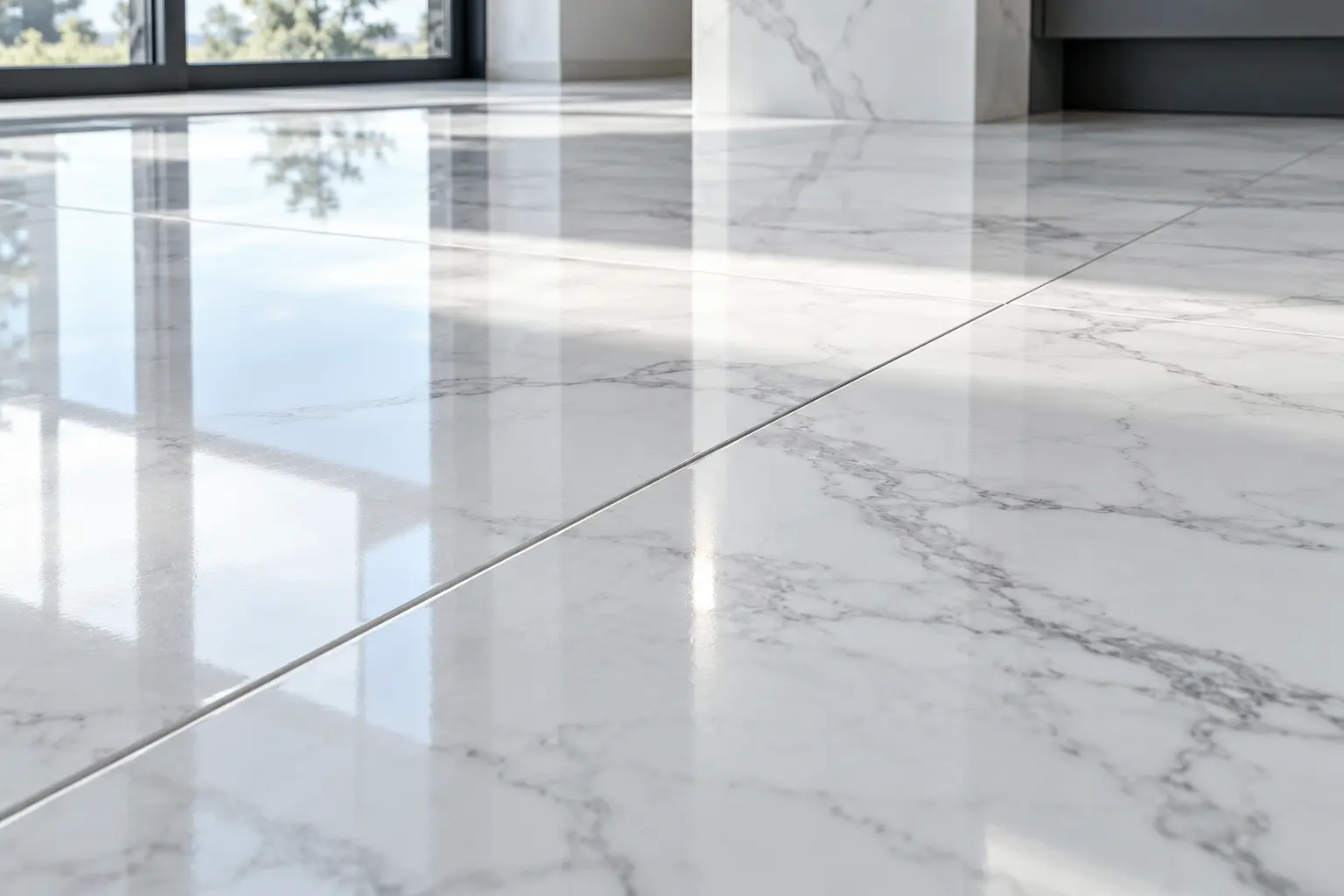
Matt vs Glossy Tiles: Which Finish Is Right for Each Room?
Glossy tiles look bright and are easy to wipe, matt tiles offer grip and hide marks. Compare both finishes room by room before you choose.
Bathroom
Choosing bathroom tiles in Bengaluru: anti-skid floors, wall tiles that wipe clean, sizes, slopes for drainage, and common mistakes to avoid.
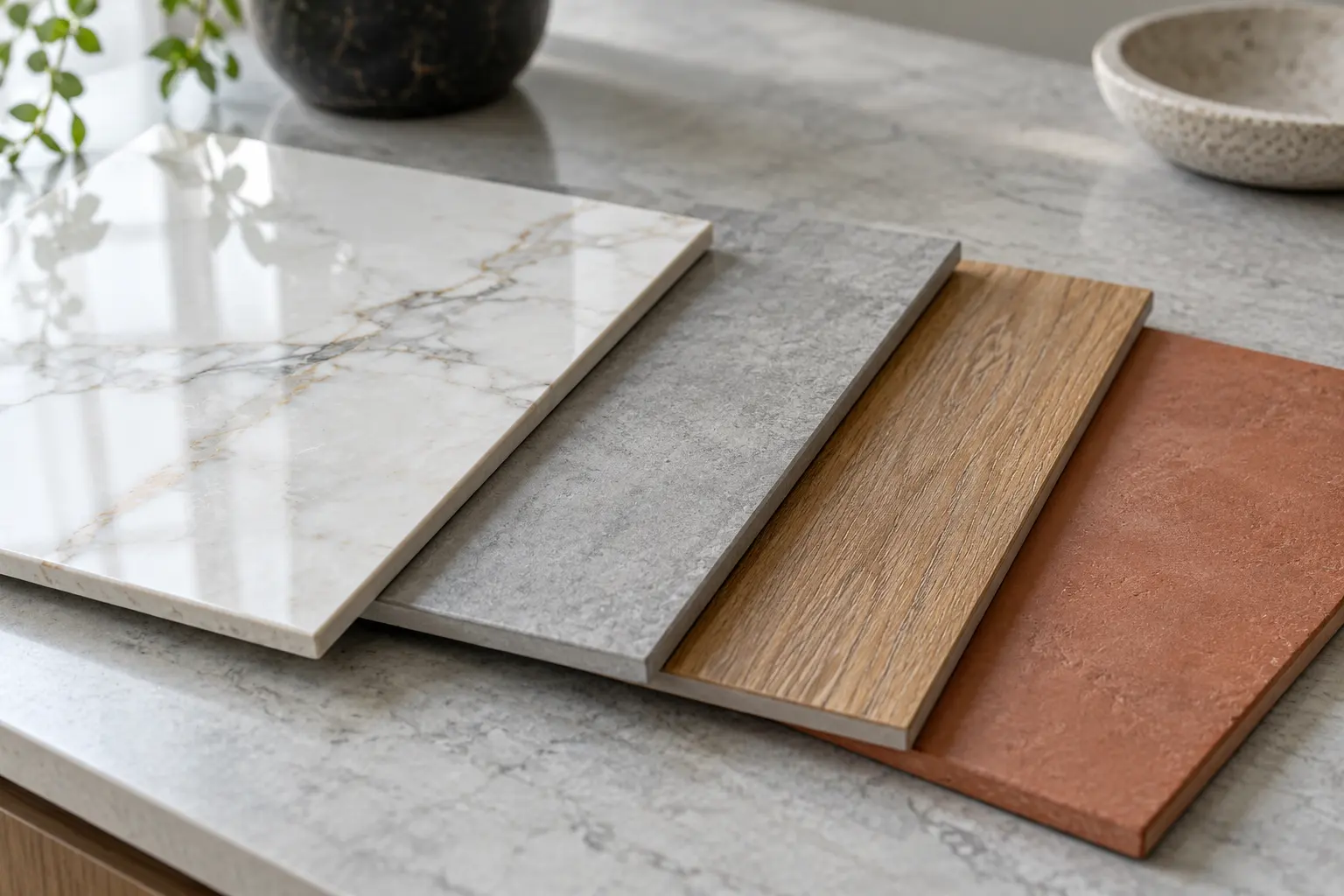
See the tiles in person before you decide
Photos never show a tile's true shade or texture. Get in touch to check what is in stock, then walk in and compare.